Chloroform → 2-[(2,5-dimethylphenyl)chloromethylsulfonyl]pyridine
Reaction equation

[CH3:1][C:2]1[CH:7]=[CH:6][C:5]([CH3:8])=[CH:4][C:3]=1[CH:9]([Cl:20])[S:10]([C:13]1[CH:18]=[CH:17][CH:16]=[CH:15][N+:14]=1[O-])(=[O:12])=[O:11].P(Cl)(Cl)Cl.C(Cl)(Cl)Cl>C(O)C>[CH3:1][C:2]1[CH:7]=[CH:6][C:5]([CH3:8])=[CH:4][C:3]=1[CH:9]([Cl:20])[S:10]([C:13]1[CH:18]=[CH:17][CH:16]=[CH:15][N:14]=1)(=[O:12])=[O:11]Participants
5
Reactant 3

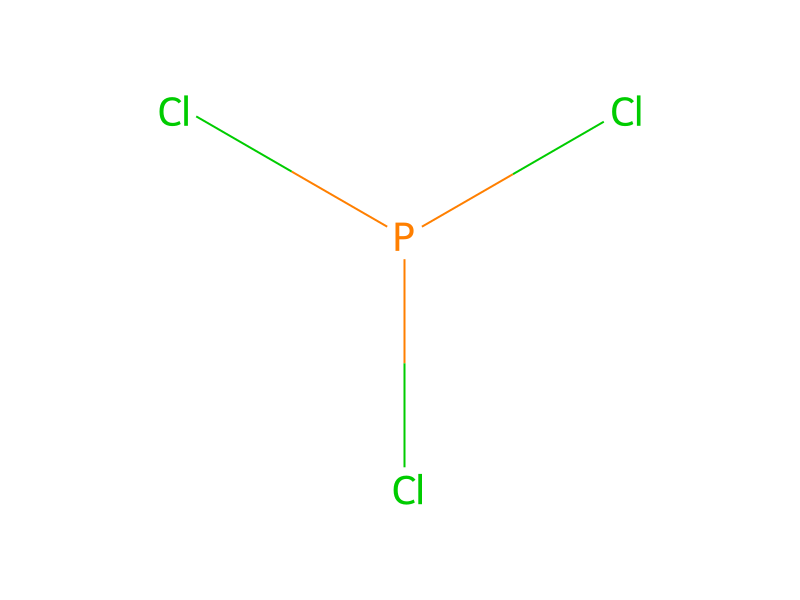

Product 1

Reagents, catalysts & solvents 1

Procedure
A mixture of 2.0 g (0.0064 mole) of 2-[(2,5-dimethylphenyl)-chloromethylsulfonyl]-pyridine N-oxide, 3.5 g (0.026 mole) of PCl3 and 15 ml of chloroform was refluxed for one hour. Addition of ethanol to destroy excess PCl3 and evaporation of the solvents left 2.6 g of crude product. The crude material was recrystallized from ethanol to give 1.5 g (79%) of crystalline material having a melting point of 117-119° C. Infrared and NMR spectra were in agreement with the structure. Analysis calculated for C14H14ClNO2S: C=56.85; H=4.77; N=4.74. Found: C=56.67; H=4.78; N=4.81.
Workup
- temperaturewas refluxed for one hour
- customto destroy excess
- customPCl3 and evaporation of the solvents
- waitleft 2.6 g of crude product
- customThe crude material was recrystallized from ethanol
Sources & evidence
- ORD record
- ord-5eeb43ccef2042c8bbbe28522298231a
- Source dataset
- uspto-grants-2002_12
- Patent number
- US06498254B1
Reaction notes
Loading…