Sodium Sulfide → HCID 501227, compound
Reaction equation

Cl[C:2]1[C:7]([Cl:8])=[CH:6][CH:5]=[CH:4][N+:3]=1[O-:9].[S-2:10].[Na+].[Na+].[CH3:13][C:14]1[CH:21]=[CH:20][C:19]([CH3:22])=[CH:18][C:15]=1[CH2:16]Cl>O>[Cl:8][C:7]1[C:2]([S:10][CH2:16][C:15]2[CH:18]=[C:19]([CH3:22])[CH:20]=[CH:21][C:14]=2[CH3:13])=[N+:3]([O-:9])[CH:4]=[CH:5][CH:6]=1Participants
5
Reactant 3

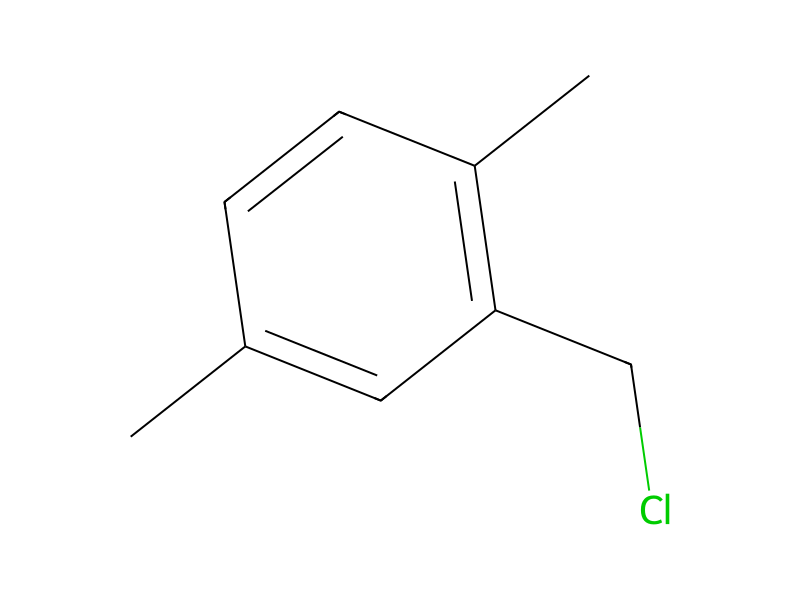

Product 1

Reagents, catalysts & solvents 1

Procedure
2,3-Dichloropyridine N-oxide (4.3 g, 0.026 mole) (prepared according to U.S. Pat. No. 3,850,939) and sodium sulfide (3.4 g, 0.026 mole) were mixed with 25 mL of water and then heated to 70 degrees for two hours. The resulting mixture was cooled to room temperature and treated with 2,5-dimethylbenzyl chloride (4.3 g, 0.026 mole) drop wise. After the addition, the mixture was heated to 70 degrees for four hours, then cooled in an ice bath. The precipitated solid was filtered and washed with cold toluene leaving 3.5 g of product. Recrystallization from toluene afforded pure product having a melting point of 77-80° C. The compound was identified by its NMR spectrum. NMR data (CDCl3): 2.3 (s, 6H); 4.5 (s, 2H); 7.1-8.0 (m, 6H).
Workup
- temperatureheated to 70 degrees for two hours
- additionAfter the addition
- temperaturethe mixture was heated to 70 degrees for four hours
- temperaturecooled in an ice bath
- filtrationThe precipitated solid was filtered
- washwashed with cold toluene leaving 3.5 g of product
- customRecrystallization from toluene afforded pure product
Sources & evidence
- ORD record
- ord-b0058042e81049399ee0dbe6f37ccbe0
- Source dataset
- uspto-grants-2002_12
- Patent number
- US06498254B1
Reaction notes
Loading…