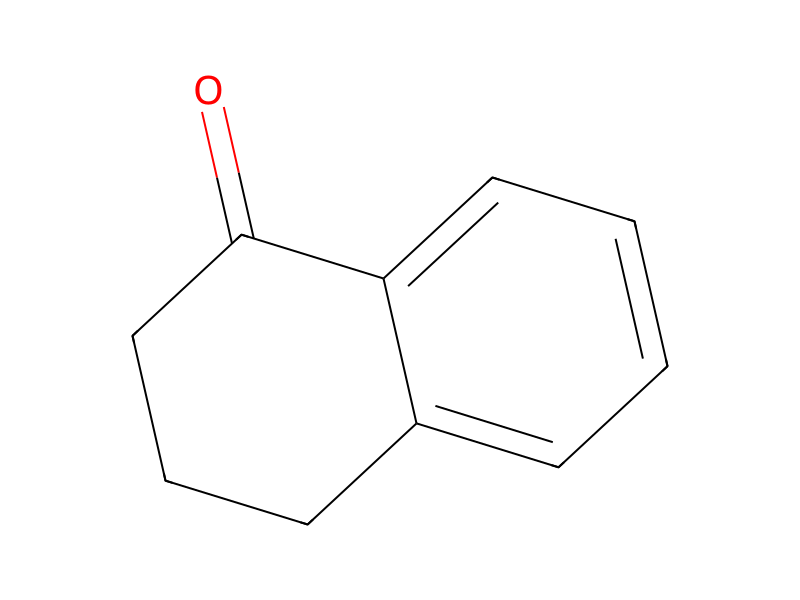
1-Tetralone → HCID 22038410, compound
Reaction equation

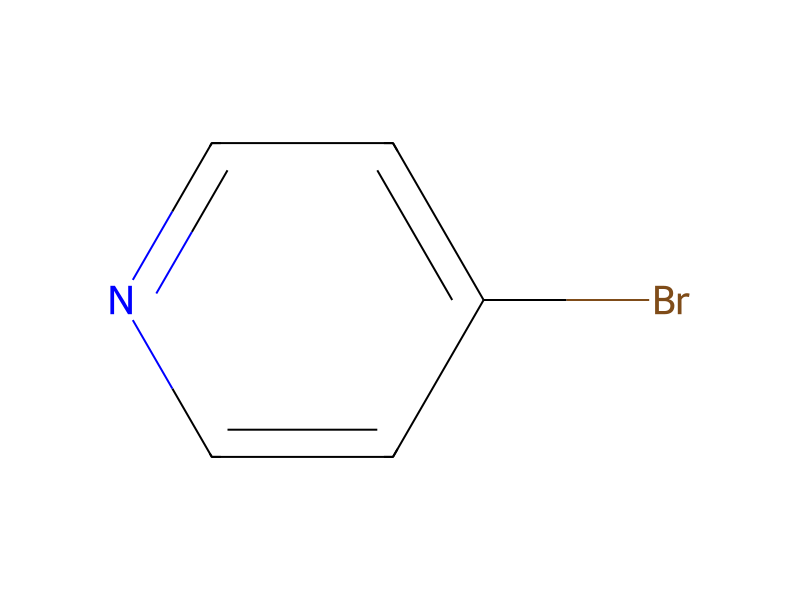
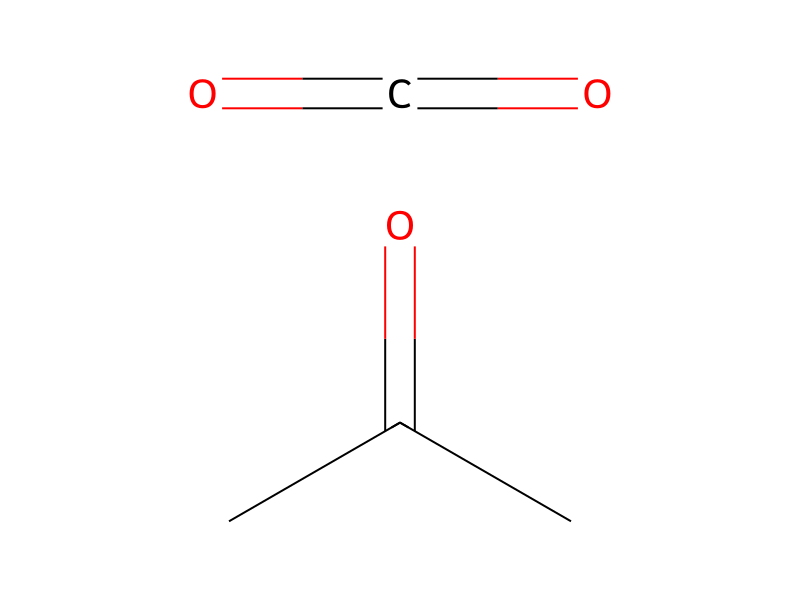
Br[C:2]1[CH:7]=[CH:6][N:5]=[CH:4][CH:3]=1.C(=O)=O.CC(C)=O.CCCCCC.C([Li])CCC.[CH2:26]1[CH2:36][C:34](=[O:35])[C:33]2[C:28](=[CH:29][CH:30]=[CH:31][CH:32]=2)[CH2:27]1>O.C(OCC)(=O)C.CCOCC>[OH:35][C:34]1([C:2]2[CH:7]=[CH:6][N:5]=[CH:4][CH:3]=2)[C:33]2[C:28](=[CH:29][CH:30]=[CH:31][CH:32]=2)[CH2:27][CH2:26][CH2:36]1Participants





Procedure
Ether solution (50 ml) of 4-bromopyridine (3.2 g, 20 mmol) was cooled using a dry ice-acetone mixture. 1.6 M Butyl lithium hexane solution (16 ml, 26 mmol) was added dropwise to the solution in small portions, and stirred for 30 minutes after completion of the dropwise addition. The reaction solution was mixed with α-tetralone (3.3 g, 23 mmol), returned to room temperature spending 20 minutes and then stirred for 2 hours. Ethyl acetate (100 ml) and water (50 ml) were added to the reaction mixture, and the ethyl acetate layer was separated, washed with water and dried with anhydrous sodium sulfate. The ethyl acetate solution was concentrated under a reduced pressure, diisopropyl ether (30 ml) was added to the resulting residue and then the thus precipitated crystals were collected by filtration to obtain 1.7 g (7.3 mmol, 37% in yield) of the title compound.
Workup
- additionafter completion of the dropwise addition
- customreturned to room temperature
- waitspending 20 minutes
- stirringstirred for 2 hours
- customthe ethyl acetate layer was separated
- washwashed with water
- dry with materialdried with anhydrous sodium sulfate
- concentrationThe ethyl acetate solution was concentrated under a reduced pressure, diisopropyl ether (30 ml)
- additionwas added to the resulting residue
- filtrationthe thus precipitated crystals were collected by filtration
- customto obtain
Sources & evidence
- ORD record
- ord-78406a3a9799488899c22401727f0290
- Source dataset
- uspto-grants-2002_12
- Patent number
- US06498251B1
Reaction notes
Loading…