Methacrylic Acid → HCID 67274429, compound
Reaction equation

[C:1]([OH:6])(=[O:5])[C:2](C)=[CH2:3].[CH2:7]=[CH:8][C:9]1[CH:14]=[CH:13][C:12](S([O-])(=O)=O)=[CH:11][CH:10]=1.[Na+].S([O-])([O-])(=O)=O.[Na+].[Na+].N(C(C)(CC(C)C)C#N)=N[C:29](C)(CC(C)C)[C:30]#N>O.C(OC)(=O)C=C.C(C1C=CC=CC=1C=C)=C>[C:1]([O:6][CH3:7])(=[O:5])[CH:2]=[CH2:3].[CH:8]([C:9]1[CH:14]=[CH:13][CH:12]=[CH:11][C:10]=1[CH:29]=[CH2:30])=[CH2:7]Participants
Reactant 4


Product 1

Reagents, catalysts & solvents 3

Procedure
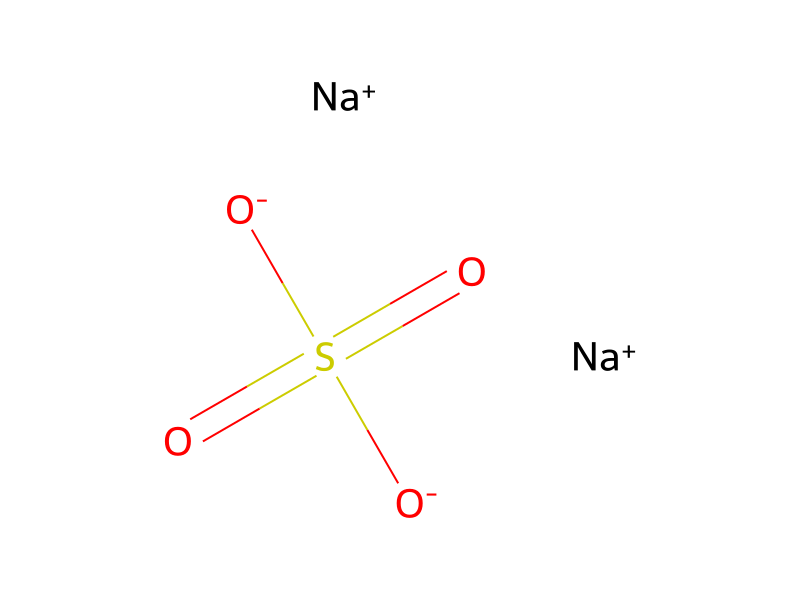
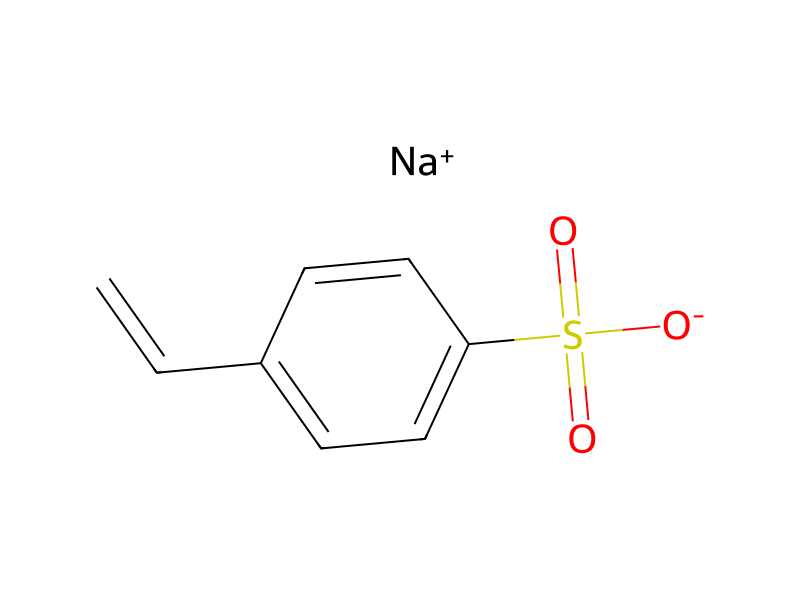
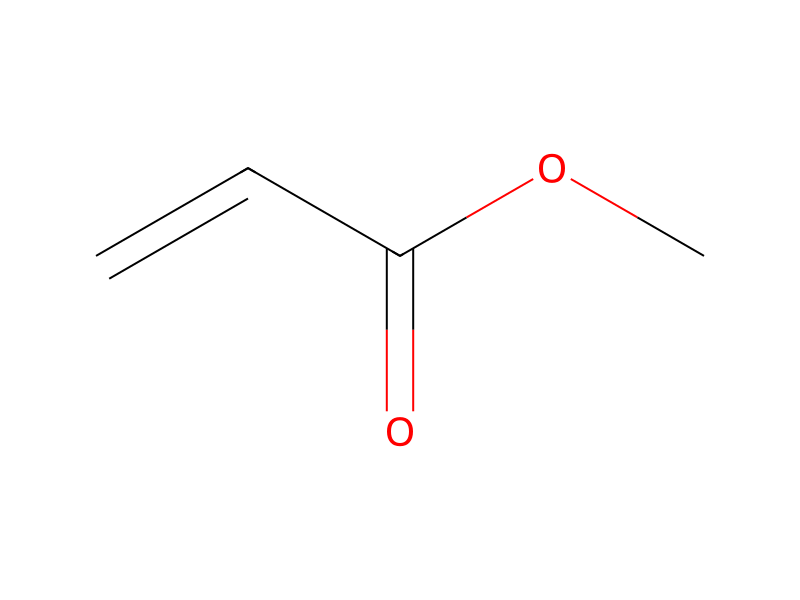
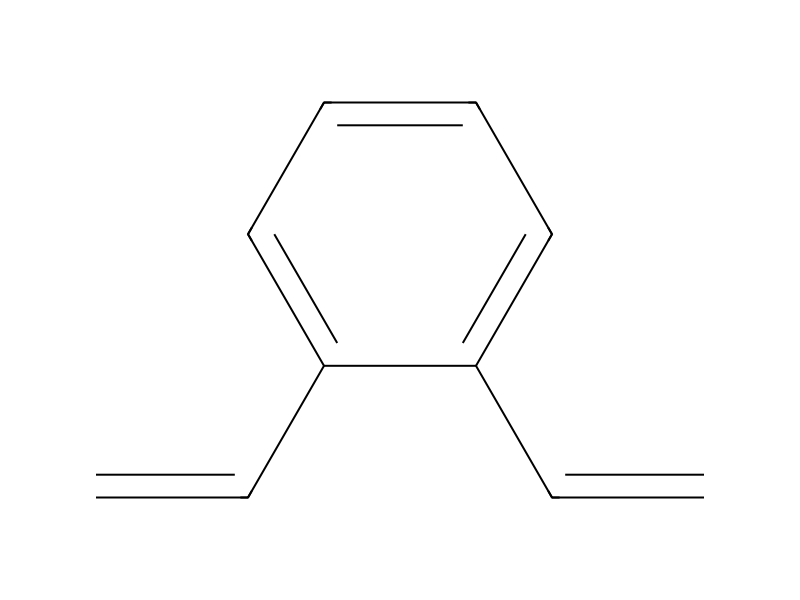
A water-soluble polymer (300 parts) consisting of methacrylic acid and sodium p-styrenesulfonate (70:30) and 30 parts of sodium sulfate were dissolved in 6600 parts of water and placed in a polymerization vessel equipped with a paddle-shaped stirrer. After that, 15 parts of 2,2′-azobis (2,4-dimethylvaleronitrile) were dissolved in a mixture of 2900 parts of methyl acrylate and 150 parts of divinylbenzene, placed in a polymerization vessel and subjected to a suspension polymerization at 60° C. for 2 hours under a stirring condition of 300 rpm to give a cross-linked copolymer of methyl acrylate/divinylbenzene having an average particle size of 63 μm. The said polymer (100 parts) was dispersed in 900 parts of water, 100 parts of potassium hydroxide were added thereto and the mixture was made to react at 90° C. for 2 hours to hydrolyze a methyl ester moiety of methyl acrylate whereupon polymer particles having 8.7 meq/g of carboxyl group of a potassium type were prepared. Average particle size of the said polymer particles was swollen by the hydrolysis showing the size of as big as 230 μm and they were almost in a state of gel. When the product was dried, it showed tackiness and was hard to handle. Pulverization was then tried but, in a dry process, it became too hard while, in a wet process, swelling was significant and pulverization was impossible. Therefore, it was not possible to measure the moisture-absorbing and desorbing rates during two minutes. The equilibrium moisture-absorbing ratio was also low like in the highly water-absorbing resins. They are probably due to the fact that amount of carboxyl group of a potassium type became too much whereby the above problems were resulted.
Workup
- customplaced in a polymerization vessel
- customequipped with a paddle-shaped stirrer
- customplaced in a polymerization vessel
- customsubjected to a suspension polymerization at 60° C. for 2 hours under a stirring condition of 300 rpm
Sources & evidence
- ORD record
- ord-edbfc1971f4d4412a7acd1c0124e6daf
- Source dataset
- uspto-grants-2002_08
- Patent number
- US06429265B2
Reaction notes
Loading…