Citric Acid → Dicalcium silicate
Reaction equation

[N+]([O-])([O-])=O.[Ca+2:5].[N+]([O-])([O-])=O.[Si:10]([O:20]CC)([O:17]CC)([O:14]CC)[O:11]CC.C(O)(=O)CC(CC(O)=O)(C(O)=O)O.[N+]([O-])([O-])=O.[NH4+].N.[N+]([O-])([O-])=O>C(O)C>[Si:10]([OH:20])([OH:17])([O-:14])[O-:11].[Ca+2:5].[Si:10]([O-:20])([O-:17])([O-:14])[O-:11].[Ca+2:5].[Ca+2:5].[Si:10]([O-:20])([O-:17])([O-:14])[O-:11].[Ca+2:5].[Ca+2:5].[Ca+2:5]Participants
Reactant 5


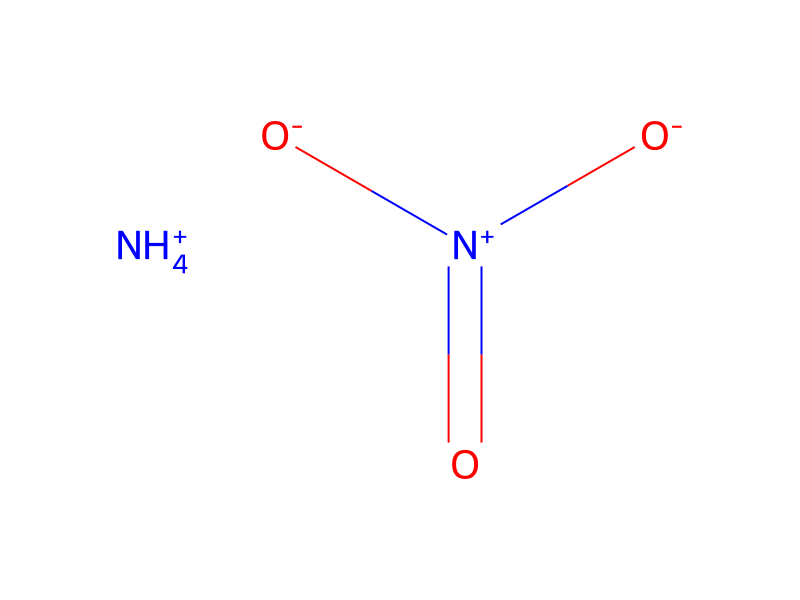


Product 3
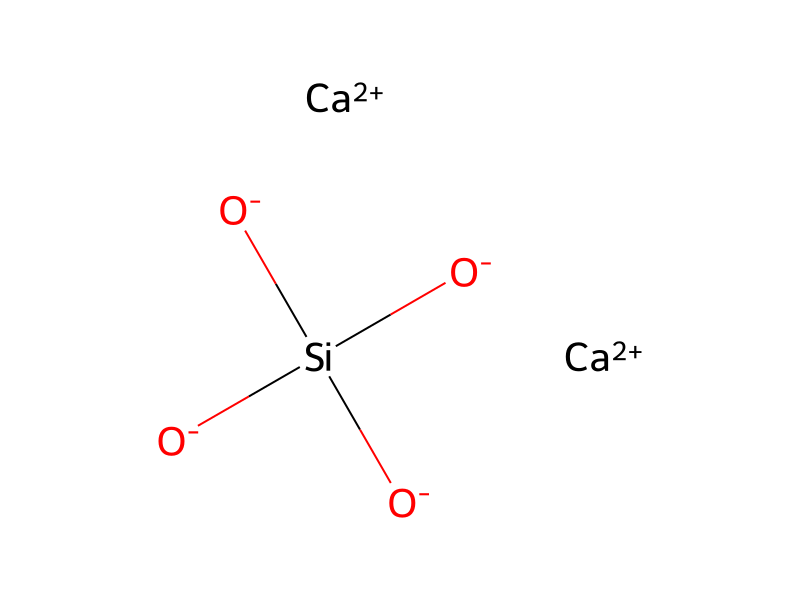


Reagents, catalysts & solvents 1

Procedure
Stoichiometric amounts of calcium nitrate (6.345 g) and Tetraethyl orthosilicate (3 ml) and citric acid (7.5292 g) were dissolved in ethyl alcohol (50 ml). To this solution sufficient quantity of ammonium nitrate was added to adjust the ammonia/nitrate content in the system. The beaker containing the solution was heated in a hot plate. Initially the solution boils and undergoes dehydration followed by decomposition leading to smooth deflation with enormous swelling, producing a foam. The foam then ignites and the product of combustion is voluminous and fluffy ultrafine powder of calcium silicates. Depending on the amount of calcium nitrate used we can get monocalcium silicate (CaSiO3), dicalcium silicate (Ca2SiO4) or tricalcium silicate (Ca3SiO5).
Workup
- additionThe beaker containing the solution
- temperaturewas heated in a hot plate
- customproducing a foam
Sources & evidence
- ORD record
- ord-f8a5c7b2c5044619825fc59a06a6c846
- Source dataset
- uspto-grants-2004_12
- Patent number
- US06835367B2
Reaction notes
Loading…