Potassium Hydroxide → 104675-34-5
Reaction equation

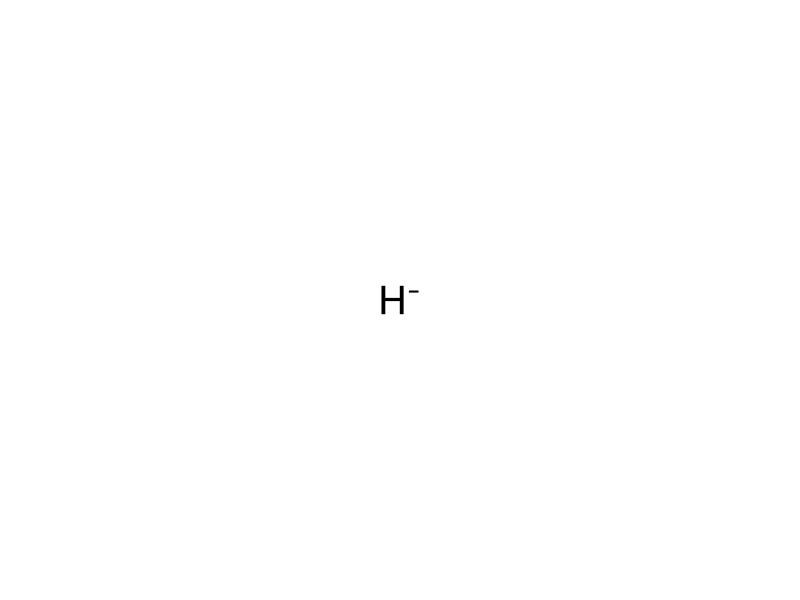
[CH2:1]([NH:4][C:5]1[C:6]2[C:11]([N:12]=[C:13]3[C:18]=1[C:17](=[O:19])[CH2:16][CH2:15][CH2:14]3)=[CH:10][CH:9]=[CH:8][CH:7]=2)[CH2:2][CH3:3].[H-].[H-].[H-].[H-].[Li+].[Al+3].[H-].[NH4+].[Cl-].[OH-].[K+]>O1CCCC1.CCOCC>[CH2:1]([NH:4][C:5]1[C:6]2[C:11]([N:12]=[C:13]3[C:18]=1[CH:17]([OH:19])[CH2:16][CH2:15][CH2:14]3)=[CH:10][CH:9]=[CH:8][CH:7]=2)[CH2:2][CH3:3]Participants
8







Procedure
In 50 ml of dry tetrahydrofuran was suspended 2.49 g of 3,4-dihydro-9-(n-propylamino)acridin-1(2H)-one. The mechanically stirred suspension was cooled in ice and 4.50 ml (0.5 eq) of 1.1M LiAlH4 solution in ether was added dropwise, whereupon a solution formed. After the addition, the reaction appeared complete based on thin layer chromatography analysis. The excess hydride was neutralized with 0.5 ml of saturated NH4Cl solution and thereafter 30% potassium hydroxide was added to dissolve the salts. The supernatant tetrahydrofuran solution was separated and evaporated to a solid. The solid was recrystallized from 1:4 dichloromethane/EtOAc to yield 1.88 g (75%) of needles, melting point 164° C.
Workup
- temperatureThe mechanically stirred suspension was cooled in ice
- customformed
- additionAfter the addition
- dissolutionto dissolve the salts
- customThe supernatant tetrahydrofuran solution was separated
- customevaporated to a solid
- customThe solid was recrystallized from 1:4 dichloromethane/EtOAc
Sources & evidence
- ORD record
- ord-5984602c2ecc493abf0ef515282e4799
- Source dataset
- uspto-grants-1987_09
- Patent number
- US04695573
Reaction notes
Loading…