Hexamethyldisilazane → HCID 178481264, compound
Reaction equation

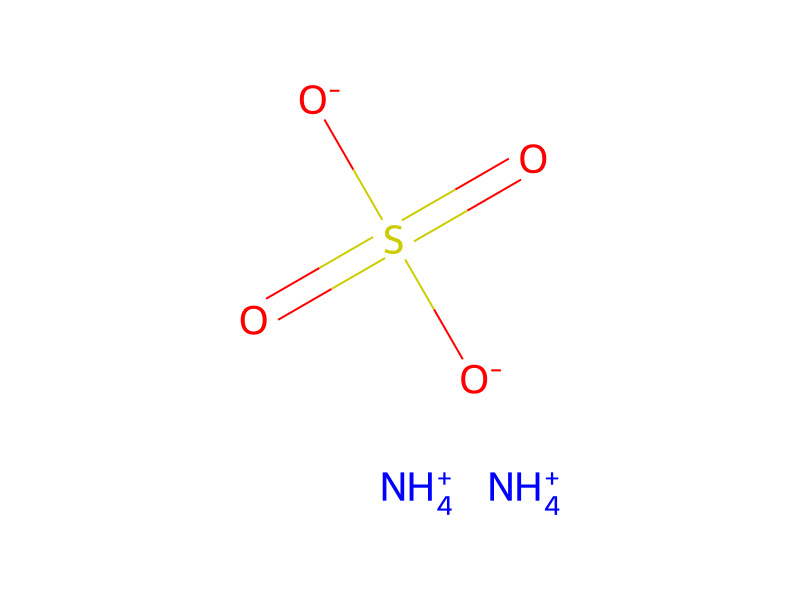
[CH3:1][N:2]1[C:10]2[N:9]=[C:8]3[N:11]([CH2:17][C:18]4[CH:23]=[CH:22][C:21]([F:24])=[CH:20][CH:19]=4)[C:12](=[O:16])[CH:13]=[C:14]([OH:15])[N:7]3[C:6]=2[C:5](=[O:25])[N:4]([CH3:26])[C:3]1=O.S([O-])([O-])(=O)=O.[NH4+].[NH4+].C[Si](C)(C)N[Si](C)(C)C.[BH4-].[Li+]>C(Cl)(Cl)Cl.O1CCOCC1>[CH3:1][N:2]1[C:10]2[N:9]=[C:8]3[N:11]([CH2:17][C:18]4[CH:23]=[CH:22][C:21]([F:24])=[CH:20][CH:19]=4)[C:12](=[O:16])[CH:13]=[C:14]([OH:15])[N:7]3[C:6]=2[C:5](=[O:25])[N:4]([CH3:26])[CH2:3]1Participants






Conditions
- Temperature
- 100 °C
Procedure
Reflux a suspension of 395 g (1.06 moles) of 1,3-dimethyl-9-(4-fluorobenzyl)-6-hydroxy-pyrimido[2,1-f]purine-2,4,8(1H,3H,9H)-trione, 12.32 g of ammonium sulfate and 350 ml of 1,1,1,3,3,3-hexamethyldisilazane in 4 liters of chloroform until a clear solution is obtained (18-24 hr.). Remove chloroform and excess hexamethyldisilazane under reduced pressure, and treat the residual thick gum with 9.6 liters of dry 1,4-dioxan. While stirring the resultant mixture, cautiously add 70.4 g (3.24 moles) of lithium borohydride in portions under a stream of dry nitrogen. When foaming subsides, heat the mixture to 100° C. for 18 hr. or until all starting material has been consumed (as determined by TLC on silica with chloroform(90)-methanol(10)-acetic acid(1)). Remove a portion of the dioxane under reduced pressure, purge the system with nitrogen as the vacuum is released, allow the residue to cool, and add 3 liters of chloroform with stirring. Add 1.3 liters of water cautiously (because of foaming), followed by 2.3 liters of 3N hydrochloric acid. Stir for one hour; then separate the layers. Extract the aqueous phase with two 1.3-liter volumes of chloroform, and dry the combined extracts over anhydrous sodium sulfate. Filter off the drying agent, and remove solvent from the filtrate under reduced pressure. Dissolve the residual tacky solid in 1.5 liters of boiling acetonitrile, add a small amount of decolorizing carbon, reflux for 15 minutes, and filter through a pad of Celite. Chill the filtrate, and collect the resultant crystals. Wash the crystals with cold acetonitrile, and dry them under vacuum at 50° C. to obtain the title compound, mp 214°-232° C.
Workup
- temperatureReflux
- customis obtained (18-24 hr.)
- customor until all starting material has been consumed (as determined by TLC on silica with chloroform(90)-methanol(10)-acetic acid(1))
- customRemove a portion of the dioxane under reduced pressure
- custompurge the system with nitrogen as the vacuum
- temperatureto cool
- additionadd 3 liters of chloroform
- additionAdd 1.3 liters of water cautiously (because of foaming)
- stirringStir for one hour
- customthen separate the layers
- extractionExtract the aqueous phase with two 1.3-liter volumes of chloroform
- dry with materialdry the combined extracts over anhydrous sodium sulfate
- filtrationFilter off the drying agent
- customremove solvent from the filtrate under reduced pressure
- dissolutionDissolve the residual tacky solid in 1.5 liters of boiling acetonitrile
- additionadd a small amount of decolorizing carbon
- temperaturereflux for 15 minutes
- filtrationfilter through a pad of Celite
- temperatureChill the filtrate
- customcollect the resultant crystals
- washWash the crystals with cold acetonitrile
- customdry them under vacuum at 50° C.
Sources & evidence
- ORD record
- ord-71a3a86564714c63a4d5146c1424a8a4
- Source dataset
- uspto-grants-1989_07
- Patent number
- US04847377
Reaction notes
Loading…