Water → Pyridaben
Reaction equation

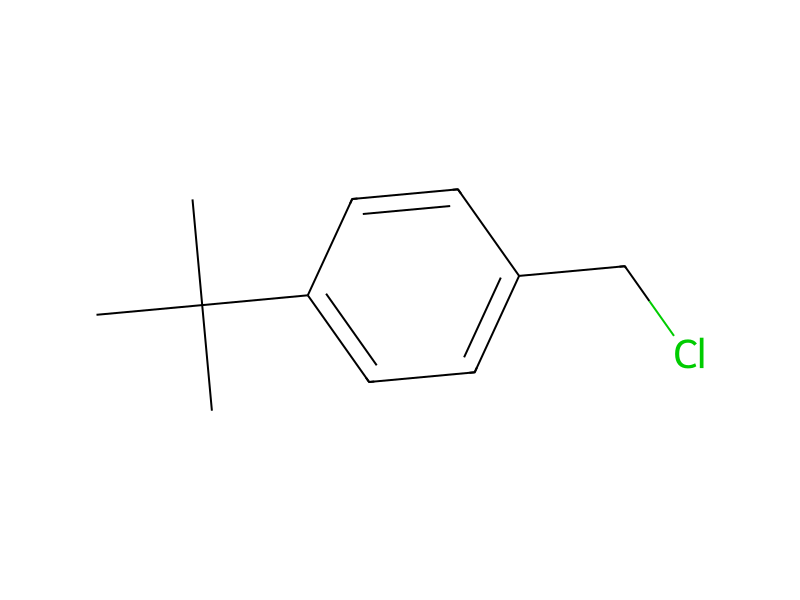
[C:1]([N:5]1[C:10](=[O:11])[C:9]([Cl:12])=[C:8]([SH:13])[CH:7]=[N:6]1)([CH3:4])([CH3:3])[CH3:2].C(=O)([O-])[O-].[Na+].[Na+].[C:20]([C:24]1[CH:31]=[CH:30][C:27]([CH2:28]Cl)=[CH:26][CH:25]=1)([CH3:23])([CH3:22])[CH3:21].O>CN(C)C=O>[C:1]([N:5]1[C:10](=[O:11])[C:9]([Cl:12])=[C:8]([S:13][CH2:28][C:27]2[CH:30]=[CH:31][C:24]([C:20]([CH3:23])([CH3:22])[CH3:21])=[CH:25][CH:26]=2)[CH:7]=[N:6]1)([CH3:4])([CH3:2])[CH3:3]Participants
6





Procedure
In 15 ml of N,N-dimethylformamide was dissolved 2.0 g (0.0092 mol) of 2-t-butyl-4-chloro-5-mercapto-3(2H)-pyridazinone. The resulting solution was added with 1.3 g (0.0123 mol) of anhydrous sodium carbonate and 1.6 g (0.0088 mol) of 4-t-butylbenzyl chloride, and then heated under stirring at 80°~110° C. for two hours. The resulting mixture was cooled to room temperature, and then added with 100 ml of water and stirred. The solid thus precipitated was filtered off, washed with water, dried, and recrystallized from ethanol to obtain 2.9 g of 2 -t-butyl-5-(p-t-butylbenzylthio)-4-chloro-3(2H)-pyridazinone.
Workup
- temperatureheated
- stirringstirred
- customThe solid thus precipitated
- filtrationwas filtered off
- washwashed with water
- customdried
- customrecrystallized from ethanol
Sources & evidence
- ORD record
- ord-b7e484f16f04441fb916a10e2336aec9
- Source dataset
- uspto-grants-1989_10
- Patent number
- US04874861
Reaction notes
Loading…