Sodium Carbonate → Pyridaben
Reaction equation

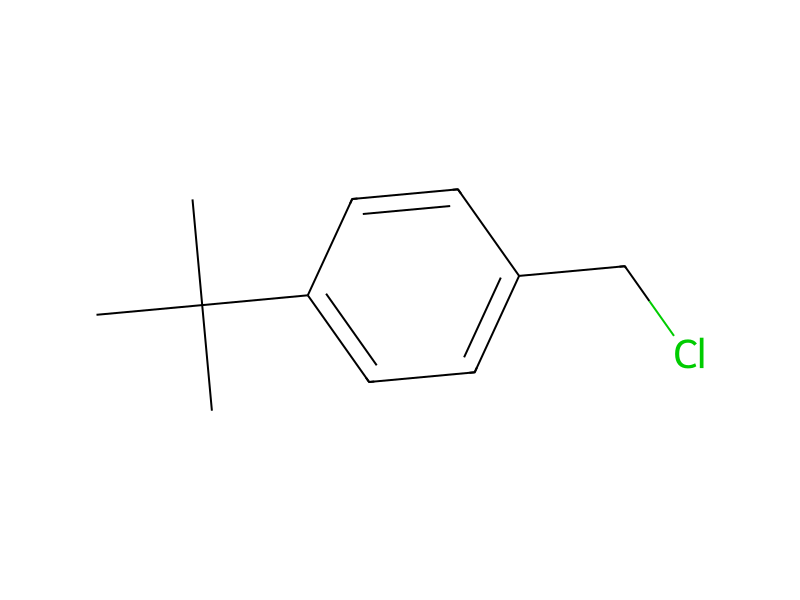
[C:1]([N:5]1[C:10](=[O:11])[C:9]([Cl:12])=[C:8]([SH:13])[CH:7]=[N:6]1)([CH3:4])([CH3:3])[CH3:2].C(=O)([O-])[O-].[Na+].[Na+].[C:20]([C:24]1[CH:31]=[CH:30][C:27]([CH2:28]Cl)=[CH:26][CH:25]=1)([CH3:23])([CH3:22])[CH3:21]>CN(C)C=O>[C:1]([N:5]1[C:10](=[O:11])[C:9]([Cl:12])=[C:8]([S:13][CH2:28][C:27]2[CH:30]=[CH:31][C:24]([C:20]([CH3:23])([CH3:22])[CH3:21])=[CH:25][CH:26]=2)[CH:7]=[N:6]1)([CH3:4])([CH3:2])[CH3:3]Participants
5




Procedure
By conducting a procedure similar to that in Synthesis Example 3 except using 2.0 g of 2-tert.-butyl-4-chloro-5-mercapto-3(2H)-pyridazinone, 15 ml of N,N-dimethylformamide, 1.3 g of anhydrous sodium carbonate and 1.6 g of 4-tert.-butylbenzyl chloride, there were obtained white needle-like crystals having the following physical properties (yield: 87.9%):
Workup
- customin Synthesis Example 3
- customthere were obtained white needle-like crystals
Sources & evidence
- ORD record
- ord-55842382d89c4c42a168466b4d3c17fb
- Source dataset
- uspto-grants-1989_10
- Patent number
- US04877787
Reaction notes
Loading…