Potassium Carbonate → Pyridaben
Reaction equation

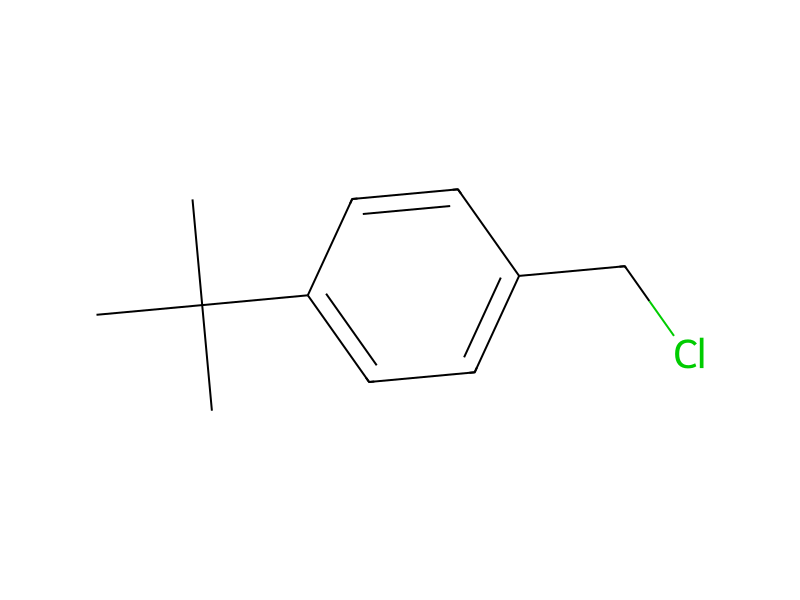
[C:1]([N:5]1[C:10](=[O:11])[C:9]([Cl:12])=[C:8]([SH:13])[CH:7]=[N:6]1)([CH3:4])([CH3:3])[CH3:2].C(=O)([O-])[O-].[K+].[K+].[C:20]([C:24]1[CH:31]=[CH:30][C:27]([CH2:28]Cl)=[CH:26][CH:25]=1)([CH3:23])([CH3:22])[CH3:21]>C1C=CC=CC=1>[C:1]([N:5]1[C:10](=[O:11])[C:9]([Cl:12])=[C:8]([S:13][CH2:28][C:27]2[CH:30]=[CH:31][C:24]([C:20]([CH3:23])([CH3:22])[CH3:21])=[CH:25][CH:26]=2)[CH:7]=[N:6]1)([CH3:4])([CH3:2])[CH3:3]Participants
5



Procedure
A mixture of 1.5 g of 2-tert.-butyl-4-chloro-5-mercapto-3(2H)-pyridazinone, 200 ml of benzene, 1.5 g of anhydrous potassium carbonate and 1.4 g of 4-tert.-butyl-benzyl chloride was subjected to reaction at a reflux temperature for 6 hours. Then, procedure similar to that in Synthesis Example 5 was conducted to obtain white crystals (yield: 60%).
Workup
- customwas subjected to reaction at a reflux temperature for 6 hours
- customThen, procedure similar to that in Synthesis Example 5
Sources & evidence
- ORD record
- ord-72b7b70c57be4548bf3c02d55f439e13
- Source dataset
- uspto-grants-1989_10
- Patent number
- US04877787
Reaction notes
Loading…