4-Chloropyridine hydrochloride → HCID 23093014, compound
Reaction equation

CO[C:3](=[O:15])[C:4]1[CH:9]=[C:8]([OH:10])[CH:7]=[C:6](OCOC)[CH:5]=1.Cl.Cl[C:18]1[CH:23]=[CH:22][N:21]=[CH:20][CH:19]=1.[O:24]([CH2:32][C@H:33]([OH:35])[CH3:34])[Si](C(C)(C)C)(C)C.[NH2:36][C:37]1[CH:41]=[CH:40][N:39]([CH3:42])[N:38]=1>>[OH:24][CH2:32][CH:33]([CH3:34])[O:35][C:6]1[CH:7]=[C:8]([O:10][C:18]2[CH:23]=[CH:22][N:21]=[CH:20][CH:19]=2)[CH:9]=[C:4]([CH:5]=1)[C:3]([NH:36][C:37]1[CH:41]=[CH:40][N:39]([CH3:42])[N:38]=1)=[O:15]Participants
5
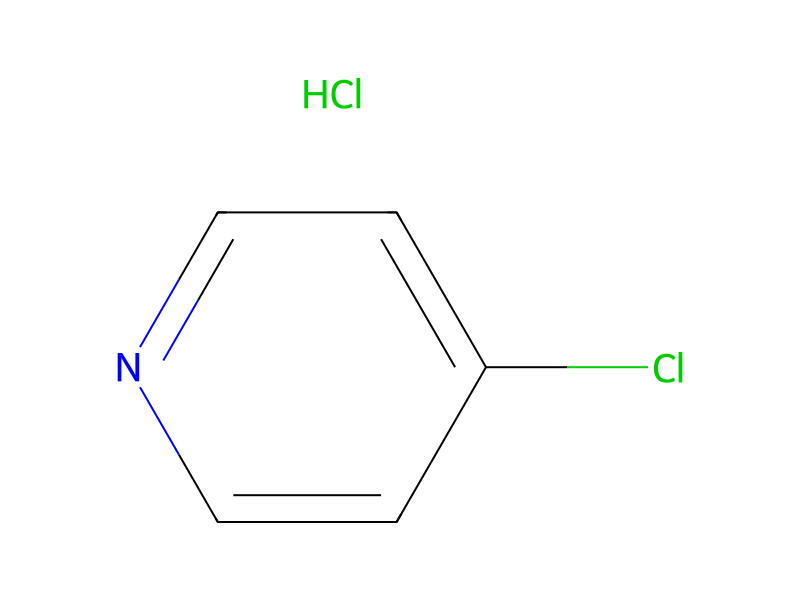


Procedure
The compound of Production Example 163 was obtained as a white amorphous substance using 5-hydroxy-3-methoxymethoxybenzoic acid methyl ester, 4-chloropyridine hydrochloride, (2R)-1-(t-butyldimethylsiloxy)-2-hydroxypropane and 3-amino-1-methyl-1H-pyrazole, by the same method as in Production Example 117, a corresponding method, or a combination thereof with an ordinary method.
Workup
- customThe compound of Production Example 163 was obtained as a white amorphous substance
Sources & evidence
- ORD record
- ord-53551d2250604aff940bdab031d40a36
- Source dataset
- uspto-grants-2010_07
- Patent number
- US07754743B2
Reaction notes
Loading…