Cyclohexene → 4-Pentylphenyl 4-hydroxybenzoate
Reaction equation

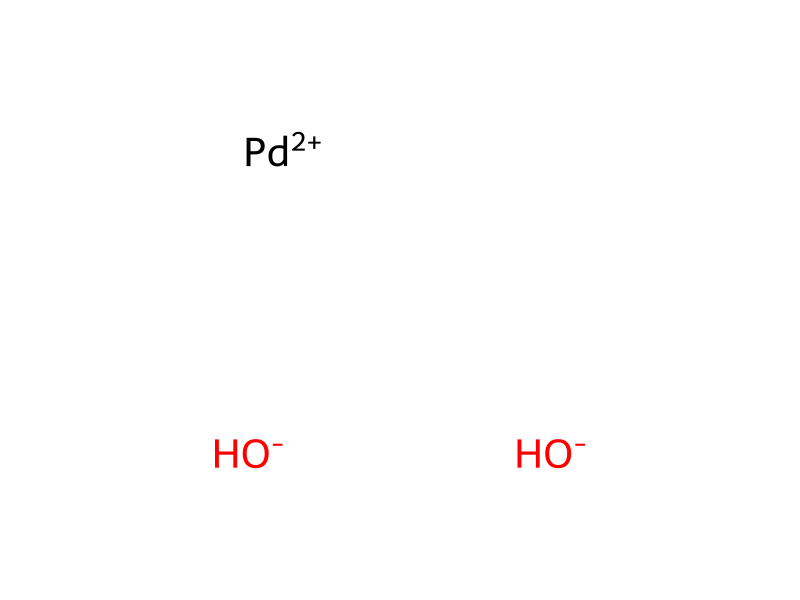
[CH2:1]([C:6]1[CH:11]=[CH:10][C:9]([O:12][C:13](=[O:28])[C:14]2[CH:19]=[CH:18][C:17]([O:20]CC3C=CC=CC=3)=[CH:16][CH:15]=2)=[CH:8][CH:7]=1)[CH2:2][CH2:3][CH2:4][CH3:5].C1CCCCC=1>[OH-].[OH-].[Pd+2].C(O)C>[CH2:1]([C:6]1[CH:11]=[CH:10][C:9]([O:12][C:13](=[O:28])[C:14]2[CH:15]=[CH:16][C:17]([OH:20])=[CH:18][CH:19]=2)=[CH:8][CH:7]=1)[CH2:2][CH2:3][CH2:4][CH3:5]Participants
5
Reactant 2


Product 1

Reagents, catalysts & solvents 2

Procedure
To 100 mL of dehydrated ethanol, 15.6 g (41.5 mmol) of 4-benzyloxy-benzoic acid 4-pentyl-phenyl ester, 25 mL of cyclohexene, and 0.78 g of palladium hydroxide/carbon were added. Then, the mixture was refluxed for 10 hours under argon. The resulting reaction mixture was filtered, and the filtered liquid was concentrated. The residue was recrystallized from toluene. As a result, 11.0 g of a white solid was obtained.
Workup
- temperatureThen, the mixture was refluxed for 10 hours under argon
- customThe resulting reaction mixture
- filtrationwas filtered
- concentrationthe filtered liquid was concentrated
- customThe residue was recrystallized from toluene
Sources & evidence
- ORD record
- ord-cd5adff26bbe4a9fbbcacec78848cc75
- Source dataset
- uspto-grants-2010_07
- Patent number
- US07758932B2
Reaction notes
Loading…