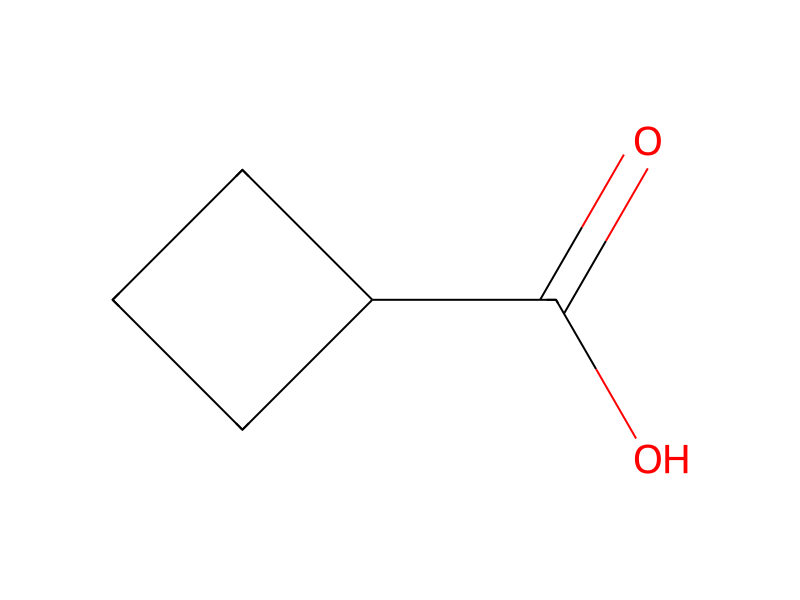
Cyclobutanecarboxylic acid → HCID 11360310, compound
Reaction equation

[CH2:1]1[CH:4]([C:5]([OH:7])=O)[CH2:3][CH2:2]1.[CH:8]1([CH2:11][CH2:12][NH:13][C:14]([C:16]2[N:17]=[N:18][C:19]([N:22]3[CH2:27][CH2:26][NH:25][CH2:24][CH2:23]3)=[CH:20][CH:21]=2)=[O:15])[CH2:10][CH2:9]1>>[CH:8]1([CH2:11][CH2:12][NH:13][C:14]([C:16]2[N:17]=[N:18][C:19]([N:22]3[CH2:27][CH2:26][N:25]([C:5]([CH:4]4[CH2:1][CH2:2][CH2:3]4)=[O:7])[CH2:24][CH2:23]3)=[CH:20][CH:21]=2)=[O:15])[CH2:10][CH2:9]1Participants
3


Procedure
Following the procedure of Example 9, making variations only as required to use 4-cyclobutanecarboxylic acid in place of 2,5-dichlorobenzoic acid to react with 6-piperazin-1-yl-pyridazine-3-carboxylic acid (2-cyclopropylethyl)amide, the title compound was obtained as a white powder (45.6% yield). 1H NMR (300 MHz, CDCl3) δ 8.03, 7.97, 6.97, 3.82-3.64, 3.57-3.49, 3.26, 2.43-2.27, 2.22-2.05 2.02-1.81, 1.50, 0.75, 0.46, 0.08. MS (ES+) m/z 358 (M+1).
Sources & evidence
- ORD record
- ord-ebe60273bdab4812b6db37ed0c2b06f9
- Source dataset
- uspto-grants-2010_07
- Patent number
- US07759348B2
Reaction notes
Loading…