Acryloyl chloride → n-[5-(4,4-Dimethyl-2,5-dioxo-3-pyridin-4-ylmethyl-imidazolidin-1-yl)-2-trifluoromethoxy-phenyl]-acrylamide
Reaction equation

[NH2:1][C:2]1[CH:3]=[C:4]([N:13]2[C:17](=[O:18])[C:16]([CH3:20])([CH3:19])[N:15]([CH2:21][C:22]3[CH:27]=[CH:26][N:25]=[CH:24][CH:23]=3)[C:14]2=[O:28])[CH:5]=[CH:6][C:7]=1[O:8][C:9]([F:12])([F:11])[F:10].[C:29](Cl)(=[O:32])[CH:30]=[CH2:31]>ClCCCl>[CH3:19][C:16]1([CH3:20])[C:17](=[O:18])[N:13]([C:4]2[CH:5]=[CH:6][C:7]([O:8][C:9]([F:10])([F:11])[F:12])=[C:2]([NH:1][C:29](=[O:32])[CH:30]=[CH2:31])[CH:3]=2)[C:14](=[O:28])[N:15]1[CH2:21][C:22]1[CH:27]=[CH:26][N:25]=[CH:24][CH:23]=1Participants
4
Reactant 2
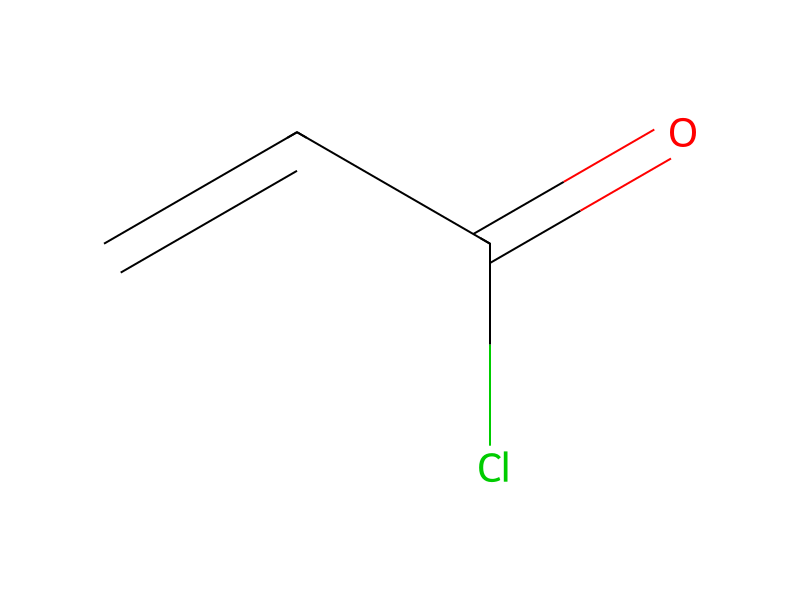

Product 1

Reagents, catalysts & solvents 1

Conditions
- Temperature
- -20 °C
Procedure
1000 mg (2.54 mmol) 3-(3-amino-4-trifluormethoxy-phenyl)-5,5-dimethyl-1-pyridin-4-ylmethyl-imidazolidine-2,4-dione were dissolved in 25 ml 1,2-dichloroethane. The mixture was cooled to −20° C. and treated with a solution of 272 mg (3.00 mmol) acrylic acid chloride in 5 ml 1,2-dichloroethane. The mixture was allowed to reach RT, and then evapoarted to dryness. The raw material was used without further purification.
Workup
- customto reach RT
- customThe raw material was used without further purification
Sources & evidence
- ORD record
- ord-d25fd5b1f425402fac1fb9b7d0cc1b45
- Source dataset
- uspto-grants-2010_07
- Patent number
- US07759379B2
Reaction notes
Loading…