Sodium Hydroxide → 6-Fluoro-1,2,3,4-tetrahydroisoquinolin-1-one
Reaction equation

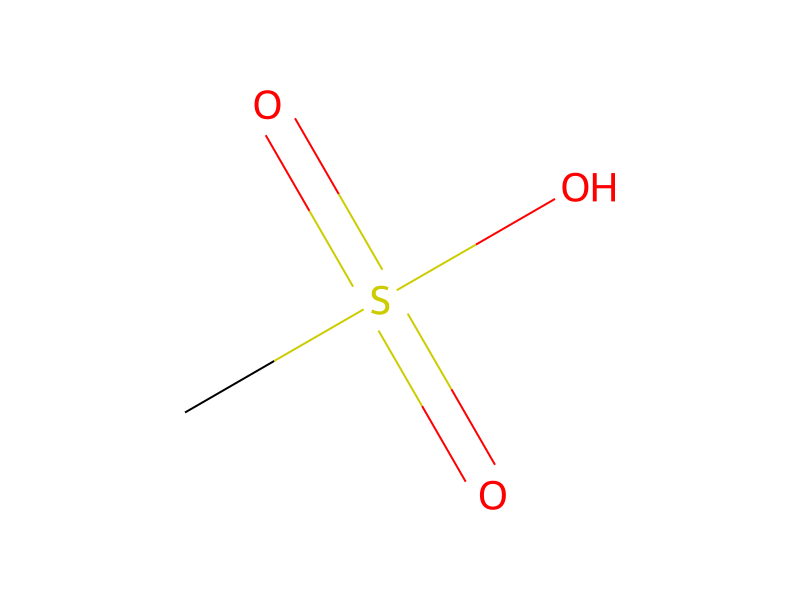
[F:1][C:2]1[CH:3]=[C:4]2[C:8](=[CH:9][CH:10]=1)[C:7](=[O:11])[CH2:6][CH2:5]2.[N-:12]=[N+]=[N-].[Na+].[OH-].[Na+]>ClCCl.CS(O)(=O)=O>[F:1][C:2]1[CH:3]=[C:4]2[C:8](=[CH:9][CH:10]=1)[C:7](=[O:11])[NH:12][CH2:6][CH2:5]2Participants





Procedure
To a stirred solution of 5-fluoro-2,3-dihydro-1H-inden-1-one (433 mg, 2.9 mmol) in dichloromethane (2.5 ml) and methanesulfonic acid (2.5 ml) was added sodium azide (378 mg, 5.8 mmol) portionwise at room temperature. Gas evolution was seen immediately and after 3 hours, complete conversion was observed by TLC. The reaction mixture was added dropwise to a rapidly stirred 5M NaOH solution (8 ml) in ice maintaining the internal temperature below 15° C. On complete addition, the aqueous phase (pH 14) was extracted with dichloromethane (3×25 ml). The organics were combined and washed with water (2×25 ml), dried (MgSO4), filtered and concentrated in vacuo. NMR showed a 7:3 mixture of regioisomers that were separated by FCC (using a gradient of eluents 1:1 Hexane/EtOAc to EtOAc) providing the title compound as white solid (267 mg, 58%).
Workup
- additionOn complete addition
- extractionthe aqueous phase (pH 14) was extracted with dichloromethane (3×25 ml)
- washwashed with water (2×25 ml)
- dry with materialdried (MgSO4)
- filtrationfiltered
- concentrationconcentrated in vacuo
- additiona 7:3 mixture of regioisomers that
- customwere separated by FCC (
Sources & evidence
- ORD record
- ord-0b8d0f567b6e4d00b05ecb2231c7774e
- Source dataset
- uspto-grants-2014_04
- Patent number
- US08691804B2
Reaction notes
Loading…