Ammonium → 1,2,3,4-Tetrahydro-7-nitroisoquinoline
Reaction equation

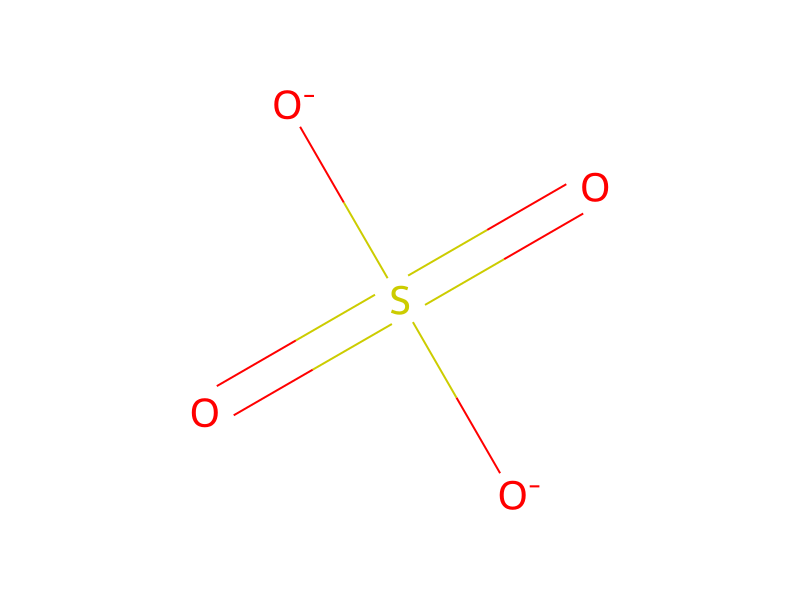
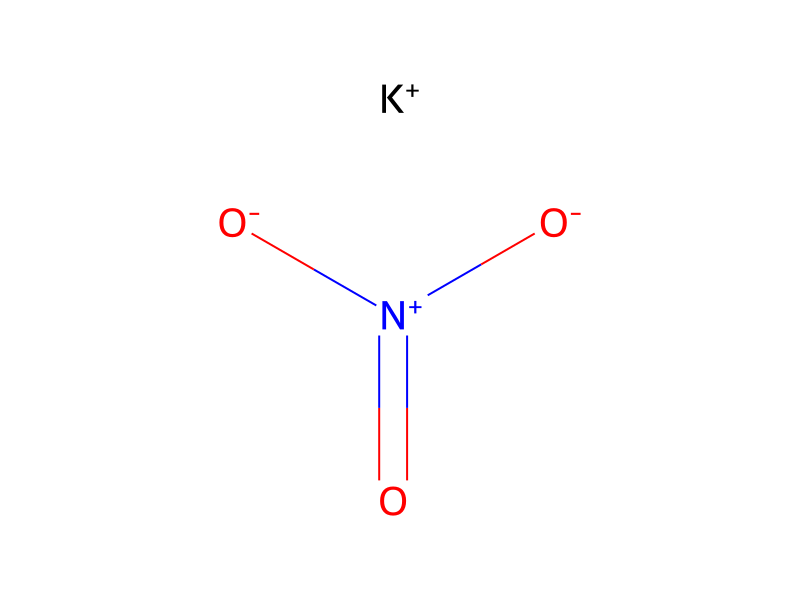
[CH2:1]1[C:10]2[C:5](=[CH:6][CH:7]=[CH:8][CH:9]=2)[CH2:4][CH2:3][NH:2]1.S([O-])([O-])(=O)=O.[N+:16]([O-])([O-:18])=[O:17].[K+].[NH4+]>S(=O)(=O)(O)O>[N+:16]([C:8]1[CH:9]=[C:10]2[C:5]([CH2:4][CH2:3][NH:2][CH2:1]2)=[CH:6][CH:7]=1)([O-:18])=[O:17]Participants
Reactant 4


Product 1

Reagents, catalysts & solvents 1

Procedure
1,2,3,4-Tetrahydroisoquinoline (4.0 g, 30.0 mmol) was dissolved in 10 N of sulfuric acid (6 mL, 30.0 mmol) and then evaporated to dryness to afford a solid residual. This sulfate was added slowly to a solution of potassium nitrate (3.34 g, 33.0 mmol) in sulfuric acid (15 mL), taking care that the temperature of the reaction mixture did not rise above 5° C. After being stirred at room temperature for a further 27 h, the reaction mixture was slowly poured into a con. ammonium solution (ca. 100 mL) under ice cooling. The resulted solution was extracted with dichloromethane (100 mL×3). The combined organic phase was washed with brine (150 mL), dried over Na2SO4, filtered, concentrated and purified by silica gel column chromatography (DCM:MeOH=100:1) to afford 31-2 as a brown solid (2.24 g, yield 41%).
Workup
- customevaporated to dryness
- customto afford a solid residual
- customdid not rise above 5° C
- additionthe reaction mixture was slowly poured into a con
- extractionThe resulted solution was extracted with dichloromethane (100 mL×3)
- washThe combined organic phase was washed with brine (150 mL)
- dry with materialdried over Na2SO4
- filtrationfiltered
- concentrationconcentrated
- custompurified by silica gel column chromatography (DCM:MeOH=100:1)
Sources & evidence
- ORD record
- ord-20263df529cb4e6b85657f0d13c9a538
- Source dataset
- uspto-grants-2014_04
- Patent number
- US08691816B2
Reaction notes
Loading…