Cesium carbonate → 4-{3-(cyanomethyl)-3-[4-(7-{[2-(trimethylsilyl)ethoxy]methyl}-7H-pyrrolo[2,3-d]pyrimidin-4-yl)-1H-pyrazol-1-yl]azetidin-1-yl}-3-fluoro-N-isopropylbenzamide
Reaction equation

C1(P(C2C=CC=CC=2)C2C=CC3C(=CC=CC=3)C=2C2C3C(=CC=CC=3)C=CC=2P(C2C=CC=CC=2)C2C=CC=CC=2)C=CC=CC=1.Cl.Cl.[CH3:49][Si:50]([CH3:77])([CH3:76])[CH2:51][CH2:52][O:53][CH2:54][N:55]1[C:59]2[N:60]=[CH:61][N:62]=[C:63]([C:64]3[CH:65]=[N:66][N:67]([C:69]4([CH2:73][C:74]#[N:75])[CH2:72][NH:71][CH2:70]4)[CH:68]=3)[C:58]=2[CH:57]=[CH:56]1.Br[C:79]1[CH:90]=[CH:89][C:82]([C:83]([NH:85][CH:86]([CH3:88])[CH3:87])=[O:84])=[CH:81][C:80]=1[F:91].C(=O)([O-])[O-].[Cs+].[Cs+]>C1(C)C=CC=CC=1.C([O-])(=O)C.[Pd+2].C([O-])(=O)C>[C:74]([CH2:73][C:69]1([N:67]2[CH:68]=[C:64]([C:63]3[C:58]4[CH:57]=[CH:56][N:55]([CH2:54][O:53][CH2:52][CH2:51][Si:50]([CH3:76])([CH3:49])[CH3:77])[C:59]=4[N:60]=[CH:61][N:62]=3)[CH:65]=[N:66]2)[CH2:70][N:71]([C:79]2[CH:90]=[CH:89][C:82]([C:83]([NH:85][CH:86]([CH3:88])[CH3:87])=[O:84])=[CH:81][C:80]=2[F:91])[CH2:72]1)#[N:75]Participants
Reactant 4



Product 1

Reagents, catalysts & solvents 2


Conditions
- Temperature
- 120 °C
Procedure
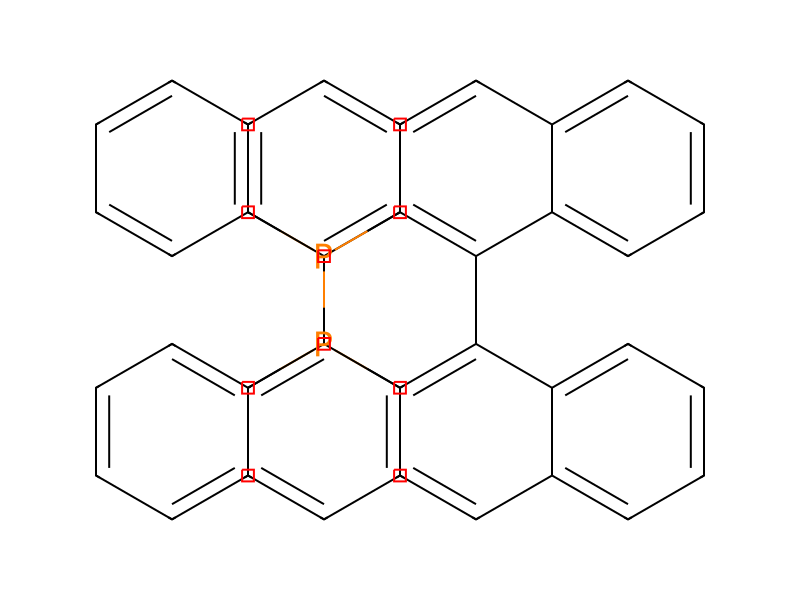
2,2′-Bis(diphenylphosphino)-1,1′-binaphthyl (0.32 g, 0.52 mmol) was added to a mixture of {3-[4-(7-{[2-(trimethylsilyl)ethoxy]methyl}-7H-pyrrolo[2,3-d]pyrimidin-4-yl)-1H-pyrazol-1-yl]azetidin-3-yl}acetonitrile dihydrochloride (2.50 g, 5.18 mmol) (see WO 2009/114512), 4-bromo-3-fluoro-N-isopropylbenzamide (1.6 g, 6.2 mmol), and cesium carbonate (5.1 g, 16 mmol) in toluene (120 mL) under N2, followed by palladium acetate (0.12 g, 0.52 mmol). The reaction mixture was stirred at 120° C. for 5 hours. After the reaction mixture was cooled to room temperature, the organic layer was separated from the solid. The solid was dissolved in water (50 mL), extracted with ethyl acetate (3×50 mL). The combined organic layers were washed with brine, dried over MgSO4, filtered, and concentrated under reduced pressure. The residue was purified by flash chromatography on a silica gel column with ethyl acetate in dichloromethylene (0-40%) to afford the desired product (2.20 g, 72.1%. LCMS (M+H)+: m/z=589.3.
Workup
- temperatureAfter the reaction mixture was cooled to room temperature
- customthe organic layer was separated from the solid
- dissolutionThe solid was dissolved in water (50 mL)
- extractionextracted with ethyl acetate (3×50 mL)
- washThe combined organic layers were washed with brine
- dry with materialdried over MgSO4
- filtrationfiltered
- concentrationconcentrated under reduced pressure
- customThe residue was purified by flash chromatography on a silica gel column with ethyl acetate in dichloromethylene (0-40%)
Sources & evidence
- ORD record
- ord-95fe73e009744c9a9926b6043fef5af9
- Source dataset
- uspto-grants-2014_04
- Patent number
- US08691807B2
Reaction notes
Loading…