Di-tert-butyl peroxide → 2,9-Di-t-butylphenanthridinone
Reaction equation

[CH:1]([NH:3][C:4]1[CH:9]=[CH:8][C:7]([C:10]([CH3:13])([CH3:12])[CH3:11])=[CH:6][C:5]=1[C:14]1[CH:19]=[CH:18][CH:17]=[C:16]([C:20]([CH3:23])([CH3:22])[CH3:21])[CH:15]=1)=O.C([O:28]OC(C)(C)C)(C)(C)C>ClC1C=CC=CC=1>[C:10]([CH:7]1[CH:8]=[CH:9][C:4]2[C:5](=[C:14]3[C:19](=[CH:1][N:3]=2)[CH:18]=[CH:17][C:16]([C:20]([CH3:21])([CH3:22])[CH3:23])=[CH:15]3)[C:6]1=[O:28])([CH3:12])([CH3:11])[CH3:13]Participants
4
Reactant 2
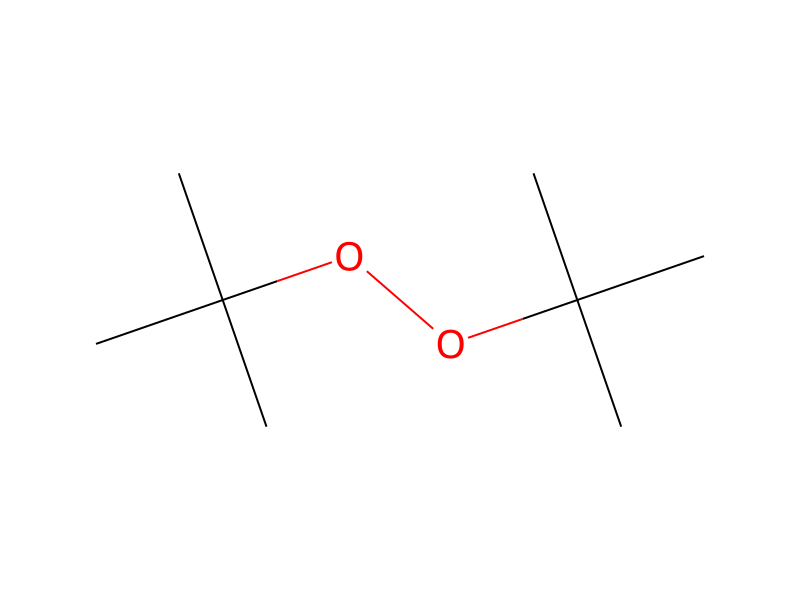

Product 1

Reagents, catalysts & solvents 1

Conditions
- Temperature
- 110 °C
Procedure
The above compound, N-formyl-2-amino-3′,5-di-t-butyl biphenyl (6.5 g, 21 mmol) was dissolved into 50 mL of chlorobenzene to which 5 equivalents of di-t-butyl peroxide was added. The reaction mixture was heated to 110° C. for 72 hours. The reaction mixture was concentrated in half and cooled to 0° C. The precipitate that formed was collected by vacuum filtration. The off-white solid was washed with hexanes to give 2,9-di-tert-butylphenanthridinone as determined by GCMS and not purified any further.
Workup
- additionwas added
- concentrationThe reaction mixture was concentrated in half
- temperaturecooled to 0° C
- customThe precipitate that formed
- filtrationwas collected by vacuum filtration
- washThe off-white solid was washed with hexanes
Sources & evidence
- ORD record
- ord-5f220b8e0af241df8cb6a32abef6db1f
- Source dataset
- uspto-grants-2014_04
- Patent number
- US08691988B2
Reaction notes
Loading…