Hydrochloric Acid → HCID 86662326, compound
Reaction equation

[C:1]1([OH:11])[C:10]2[C:5](=[CH:6][CH:7]=[CH:8][CH:9]=2)[CH:4]=[CH:3][CH:2]=1.[CH2:12]1[S:16](=O)[CH2:15][CH2:14][CH2:13]1.Cl.[F:19][C:20]([F:43])([S:39]([O-:42])(=[O:41])=[O:40])[CH:21]([O:26][C:27]([C:29]12[CH2:38][CH:33]3[CH2:34][CH:35]([CH2:37][CH:31]([CH2:32]3)[CH2:30]1)[CH2:36]2)=[O:28])[C:22]([F:25])([F:24])[F:23].[Na+]>CO>[C:29]12([C:27]([O:26][CH:21]([C:22]([F:25])([F:23])[F:24])[C:20]([F:19])([F:43])[S:39]([O-:42])(=[O:40])=[O:41])=[O:28])[CH2:30][CH:31]3[CH2:37][CH:35]([CH2:34][CH:33]([CH2:32]3)[CH2:38]1)[CH2:36]2.[OH:11][C:1]1[C:10]2[C:5](=[CH:6][CH:7]=[CH:8][CH:9]=2)[C:4]([S+:16]2[CH2:12][CH2:13][CH2:14][CH2:15]2)=[CH:3][CH:2]=1Participants




Conditions
- Temperature
- -16 °C
Procedure
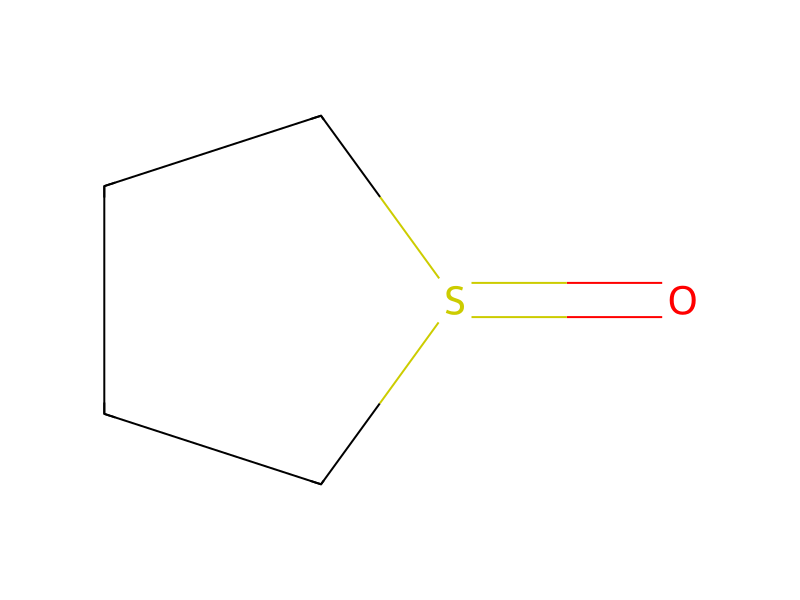
First 10 g (0.069 mol) of 1-naphthol and 7.2 g (0.069 mol) of tetramethylene sulfoxide were dissolved in 50 g of methanol and cooled at −16° C. An excess amount of hydrogen chloride gas was fed into the solution at a temperature below 20° C. Nitrogen was bubbled into the solution to expel the excess of hydrogen chloride gas whereupon the reaction solution was concentrated. Water and diisopropyl ether were added to the concentrate, from which a water layer, aqueous solution of 4-hydroxynaphthyl-1-tetrahydrothiophenium chloride was separated. Next, the aqueous solution (corresponding to 0.023 mol) of 4-hydroxynaphthyl-1-tetrahydrothlophenium chloride was mixed with an aqueous solution (corresponding to 0.021 mol) of sodium 1,1,3,3,3-pentafluoro-2-(adamantane-1-carbonyloxy)propanesulfonate which was synthesized according to the formulation described in JP-A 2007-145797 (or U.S. Pat. No. 7,511,169). The mixture was extracted with 100 g of dichloromethane and 50 g of methyl isobutyl ketone. The organic layer was washed with water, the solvents were distilled off in vacuum, and isopropyl ether was added to the residue for crystallization. Subsequent filtration and drying gave the target compound. White crystal, 6.2 g, yield 43%.
Workup
- customwas fed into the solution at a temperature below 20° C
- customNitrogen was bubbled into the solution
- concentrationwas concentrated
- additionWater and diisopropyl ether were added to the concentrate, from which a water layer, aqueous solution of 4-hydroxynaphthyl-1-tetrahydrothiophenium chloride
- customwas separated
- customwas synthesized
- extractionThe mixture was extracted with 100 g of dichloromethane and 50 g of methyl isobutyl ketone
- washThe organic layer was washed with water
- distillationthe solvents were distilled off in vacuum, and isopropyl ether
- additionwas added to the residue for crystallization
- filtrationSubsequent filtration
- customdrying
- customgave the target compound
Sources & evidence
- ORD record
- ord-d8362b8a51ba4a48bc19f7e8ba5e84c3
- Source dataset
- uspto-grants-2014_04
- Patent number
- US08703384B2
Reaction notes
Loading…