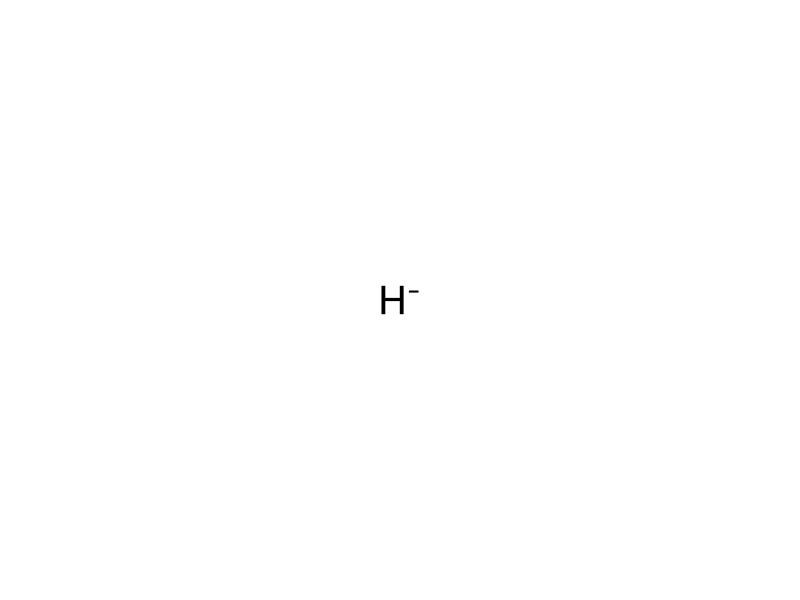
Hydride → HCID 54032019, compound
Reaction equation

[H-].[B].[Al].[CH2:4]([O:11][CH2:12][C:13]#[C:14][CH:15]([OH:20])[C:16]([F:19])([F:18])[F:17])[C:5]1[CH:10]=[CH:9][CH:8]=[CH:7][CH:6]=1>[Pd]>[CH2:4]([O:11][CH2:12][CH:13]=[CH:14][CH:15]([OH:20])[C:16]([F:19])([F:18])[F:17])[C:5]1[CH:6]=[CH:7][CH:8]=[CH:9][CH:10]=1Participants
6
Reactant 4


Product 1

Reagents, catalysts & solvents 1

Procedure
Next, a hydride of boron or aluminum or palladium catalyst is allowed to act on 5-benzyloxy-1,1,1-trifluoro-3-pentyne-2-ol (compound (3)) to obtain 5-benzyloxy-1,1,1-trifluoro-3-pentene-2-ol (E)-(5) or (Z)-(5). This is acetylated or isobutylated and then thereon is allowed lipases or lipases-producing microorganism to act to obtain optically active (R)-5-benzyloxy-1,1,1-trifluoro-3-pentene-2-ol [(R)-(E)-5] or [(R)-(Z)-5] and optically active (S)-2-acetoxy (or butoxy)-5-benzyloxy-1,1,1-trifluoro-3-pentene [(S)-(E)-6 or (S)-(Z)-6].
Sources & evidence
- ORD record
- ord-1af45bae1da7456fa98e34ea411244e4
- Source dataset
- uspto-grants-1992_03
- Patent number
- US05097075
Reaction notes
Loading…