Benzylamine → 4-Ethyl-5-(4-methylbenzylamino)-2-t-butyl-3(2H)pyridazinone
Reaction equation

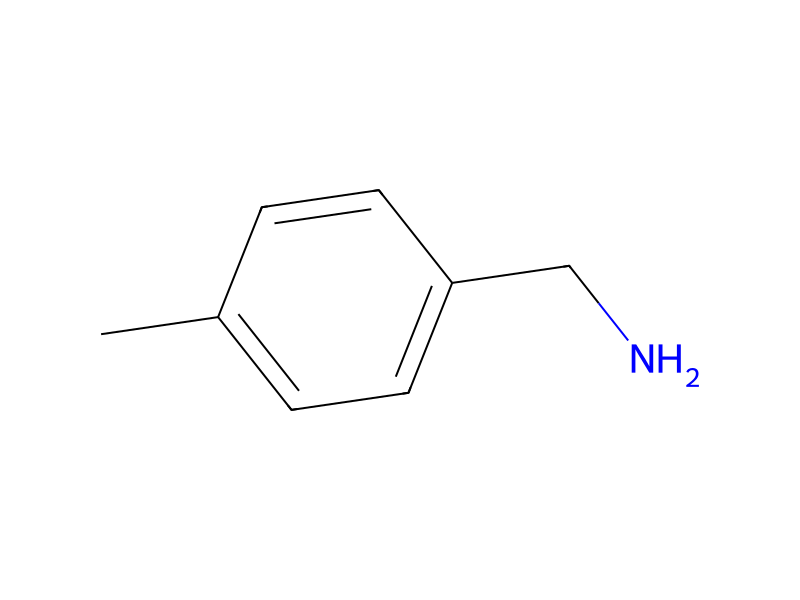
[CH2:1]([C:3]1[C:4](=[O:14])[N:5]([C:10]([CH3:13])([CH3:12])[CH3:11])[N:6]=[CH:7][C:8]=1Cl)[CH3:2].C(N)C1C=CC=CC=1.[CH3:23][C:24]1[CH:31]=[CH:30][C:27]([CH2:28][NH2:29])=[CH:26][CH:25]=1>>[CH2:1]([C:3]1[C:4](=[O:14])[N:5]([C:10]([CH3:13])([CH3:12])[CH3:11])[N:6]=[CH:7][C:8]=1[NH:29][CH2:28][C:27]1[CH:30]=[CH:31][C:24]([CH3:23])=[CH:25][CH:26]=1)[CH3:2]Participants
4



Procedure
The compound as identified in Table 14 was prepared in the synthetic manner and after-treatment similar to those in Example 7 except that the 4-alkyl-5-chloro-2-alkyl-3(2H)pyridazinone with R1 and R2 as identified in Table 14 was used instead of the starting 4-ethyl-5-chloro-2-t-butyl-3(2H)pyridazinone used in Example 7, and the benzylamine derivative with R3, Y1, Y2 and Y3 as identified in Table 14 was used instead of the starting 4-methylbenzylamine. In the NMR data, only the characteristic absorptions were given in Table 14.
Workup
- customwas prepared in the synthetic manner
Sources & evidence
- ORD record
- ord-a1bcb333fa1f4485af4f9c67115e435f
- Source dataset
- uspto-grants-1992_03
- Patent number
- US05098900
Reaction notes
Loading…