1,2,4-Trichlorobenzene → Urea, N'-(4-bromophenyl)-N,N-dimethyl-
Reaction equation

[CH3:1][N:2]([CH3:6])[C:3]([NH2:5])=[O:4].[Br:7][C:8]1[CH:14]=[CH:13][C:11](N)=[CH:10][CH:9]=1.ClC1C=CC(Cl)=CC=1Cl.CNC>>[Br:7][C:8]1[CH:14]=[CH:13][C:11]([NH:5][C:3]([N:2]([CH3:6])[CH3:1])=[O:4])=[CH:10][CH:9]=1Participants
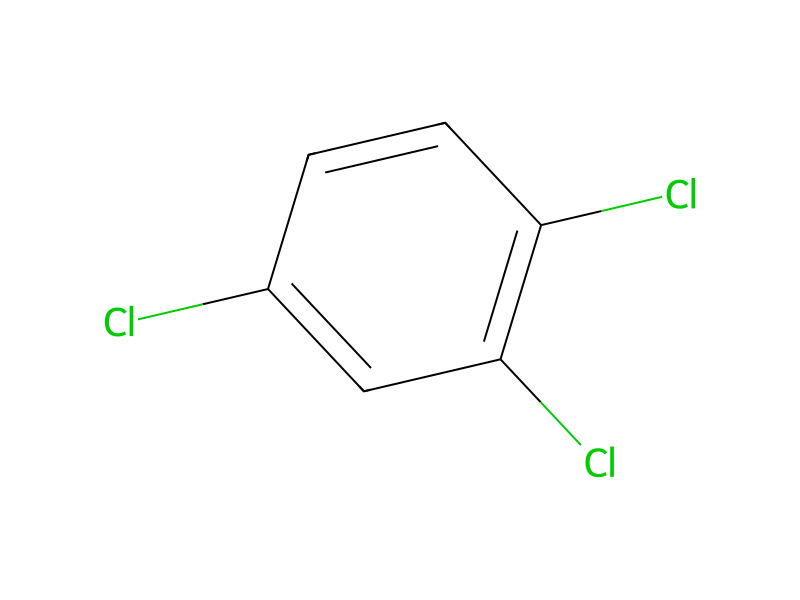
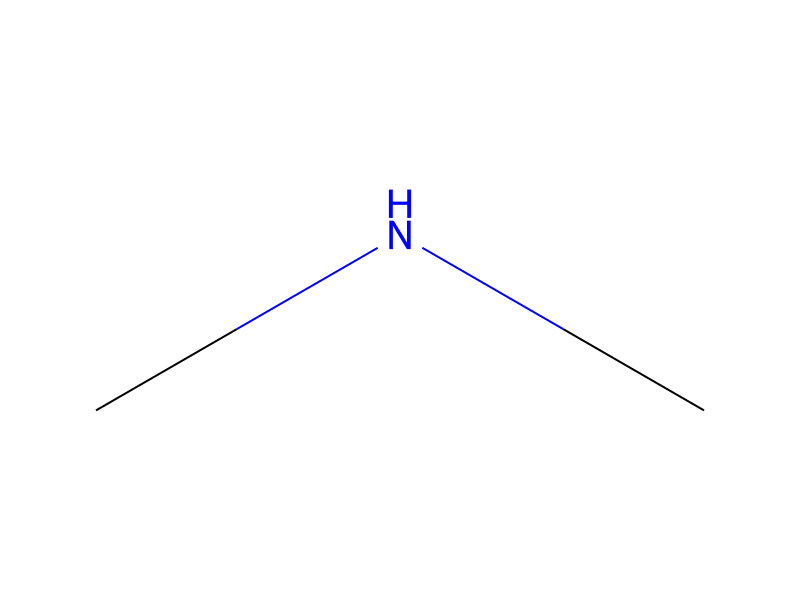
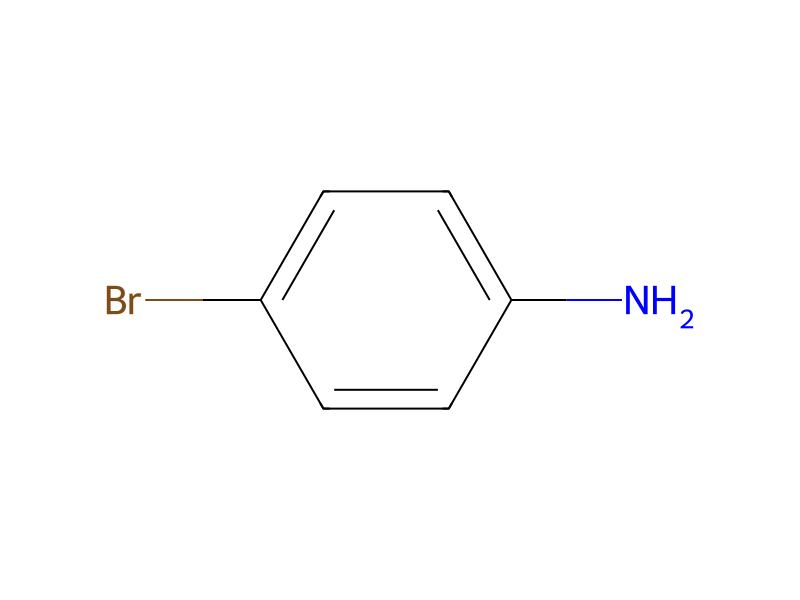


Conditions
- Temperature
- 205 °C
Procedure
3.35 g (0.038 mol) of N,N-dimethylurea and 4.3 g (0.025 mol) of 4-bromoaniline were added with stirring into 28 ml of 1,2,4-trichlorobenzene, after which the mixture was slowly heated to 205° C. Dimethylamine was introduced from 50° C. After 5.5 hours, 11.6 g (0.25 mol) of dimethylamine had been introduced, and the reaction was complete. The reaction mixture was cooled to room temperature whereupon a precipitate deposited, which was filtered off, washed with 1,2,4-trichlorobenzene, dried at 100° C. in vacuo and then boiled in 100 ml of water. The aqueous mixture was cooled, and the precipitate was filtered off with suction and dried. 4.73 g of N-(4-bromophenyl)-N',N'-dimethylurea, i.e. 78% of theory, having a melting point of 168° to 170° C. were obtained in this way.
Workup
- temperatureThe reaction mixture was cooled to room temperature whereupon a precipitate
- filtrationwhich was filtered off
- washwashed with 1,2,4-trichlorobenzene
- customdried at 100° C. in vacuo
- temperatureThe aqueous mixture was cooled
- filtrationthe precipitate was filtered off with suction
- customdried
- customwere obtained in this way
Sources & evidence
- ORD record
- ord-c38bc2fa80a24675a8005dafcc542420
- Source dataset
- uspto-grants-1992_03
- Patent number
- US05099021
Reaction notes
Loading…