1,3-Difluorobenzene → 1-(Benzocyclobuten-1-ylmethyl)-4-(2,4-difluorobenzoyl)piperidine
Reaction equation

[C:1]1([CH2:9][N:10]2[CH2:15][CH2:14][CH:13]([C:16](Cl)=[O:17])[CH2:12][CH2:11]2)[C:4]2[CH:5]=[CH:6][CH:7]=[CH:8][C:3]=2[CH:2]=1.C(Cl)(=O)C(Cl)=O.[F:25][C:26]1[CH:31]=[CH:30][CH:29]=[C:28]([F:32])[CH:27]=1.[Cl-].[Cl-].[Cl-].[Al+3]>ClCCl>[C:1]1([CH2:9][N:10]2[CH2:15][CH2:14][CH:13]([C:16](=[O:17])[C:29]3[CH:30]=[CH:31][C:26]([F:25])=[CH:27][C:28]=3[F:32])[CH2:12][CH2:11]2)[C:4]2[CH:5]=[CH:6][CH:7]=[CH:8][C:3]=2[CH:2]=1Participants
6
Reactant 4
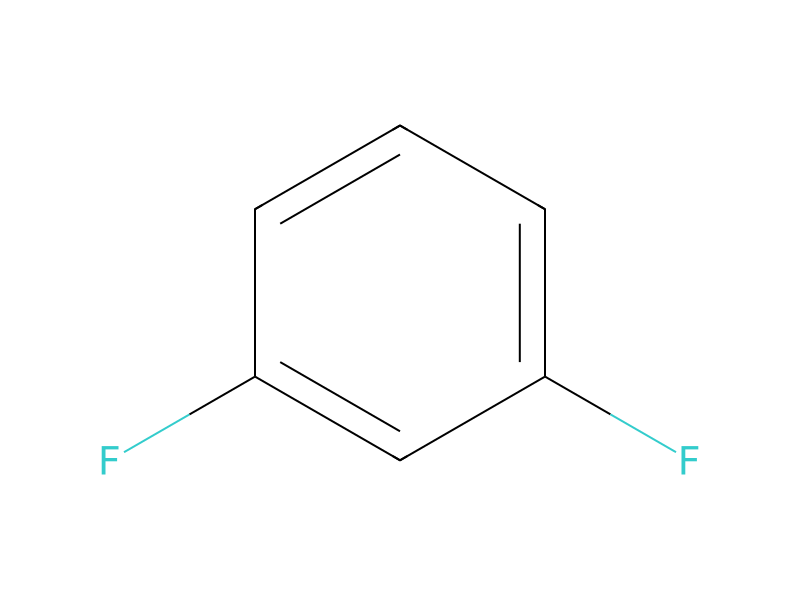



Product 1

Reagents, catalysts & solvents 1

Procedure
0.025 mole of 1-(benzocyclobuten-1-ylmethyl)-4-piperidinecarbonyl chloride (prepared by the action of oxalyl chloride on the acid described above), dissolved in 50 ml of dichloromethane, is introduced into a suspension of 0.025 mole of 1,3-difluorobenzene and 0.026 mole of aluminum trichloride in 10 ml of dichloromethane. When the gaseous evolution has ceased, the mixture is hydrolyzed with ice, settling is allowed to take place and the product is extracted with 1N hydrochloric acid. The aqueous phase is then alkalinized and extracted with dichloromethane. After evaporation of the solvent, the expected product is obtained.
Workup
- extractionthe product is extracted with 1N hydrochloric acid
- extractionextracted with dichloromethane
- customAfter evaporation of the solvent
Sources & evidence
- ORD record
- ord-76247e2f83e2441690e52fba6f27353e
- Source dataset
- uspto-grants-1992_03
- Patent number
- US05100902
Reaction notes
Loading…