Hydrochloric Acid → HCID 178512578, compound
Reaction equation

Cl.N#[C:3]N.C(C1C(C2N(CC)C(C)=NC=2)=[N:9][C:10]([NH:13][C:14]2[CH:19]=[CH:18][C:17]([S:20](=O)(=O)NCCOC)=[CH:16][CH:15]=2)=[N:11]C=1)#N.[CH2:36]([OH:38])[CH3:37]>>[OH:38][CH2:36][CH2:37][CH2:3][S:20][C:17]1[CH:16]=[CH:15][C:14]([NH:13][C:10]([NH2:9])=[NH:11])=[CH:19][CH:18]=1Participants




Procedure
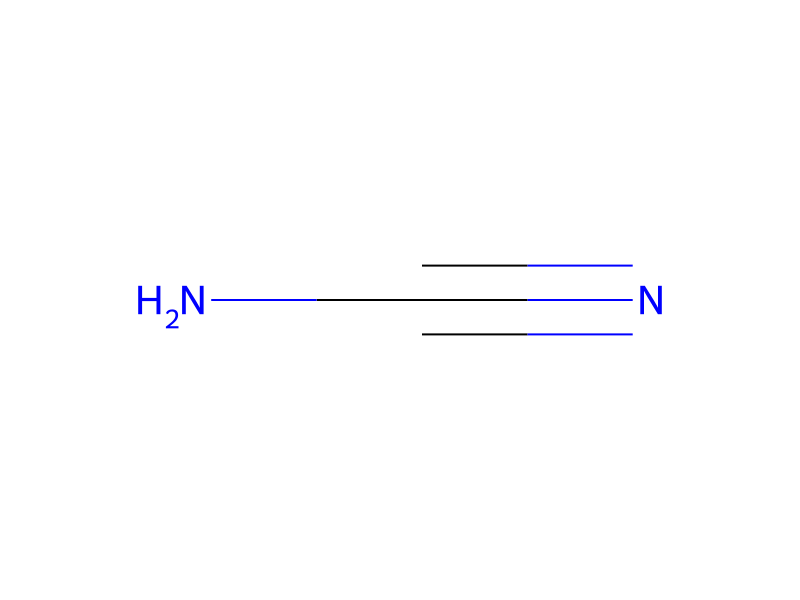
2M Hydrochloric acid (10 ml) and cyanamide (500 mg) were added to a solution of 4-(3-hydroxypropylthio)aniline (Method 83; 900 mg) in ethanol (1 ml). The mixture was stirred under reflux for 19 hours and further 2M hydrochloric acid (0.5 ml) and cyanamide (400 mg) were added and heating continued for a further 6 hours. The volatiles were removed by evaporation, water (5 ml) was added to the residue and the mixture basified with concentrated sodium hydroxide solution to greater than pH11. The aqueous mixture was extracted with EtOAc (2×30 ml) washed with water (5 ml) and brine (10 ml). The organic extracts were combined, evaporated, and azeotroped with methanol to give crude 4-(3-hydroxypropylthio) phenylguanidine (880 mg) as a purple oil (m/z 226). This crude product was treated with 5-(3-dimethylaminoprop-2-en-1-oyl)-1-isopropyl-2-methylimidazole (Method 24; 400 mg, 1.81 mmol) as described in Method 30 to give the title compound (400 mg, 58%). NMR: 1.44 (d, 6H), 1.68 (m, 2H), 2.92 (t, 2H), 3.34 (s, 3H), 3.49 (m, 2H), 4.52 (t, 1H), 5.70 (sept, 1H), 7.05 (d, 1H), 7.30 (d, 2H), 7.42 (s, 1H), 7.64 (d, 2H), 8.39 (d, 1H), 9.51 (s, 1H); m/z 384.
Workup
- temperatureunder reflux for 19 hours
- temperatureheating
- customThe volatiles were removed by evaporation, water (5 ml)
- additionwas added to the residue
- extractionThe aqueous mixture was extracted with EtOAc (2×30 ml)
- washwashed with water (5 ml) and brine (10 ml)
- customevaporated
- customazeotroped with methanol
Sources & evidence
- ORD record
- ord-4ee9e0a7fb1d4a6b87b80a93d792d452
- Source dataset
- uspto-grants-2008_12
- Patent number
- US07465728B2
Reaction notes
Loading…