Cesium carbonate → HCID 86603760, compound
Reaction equation

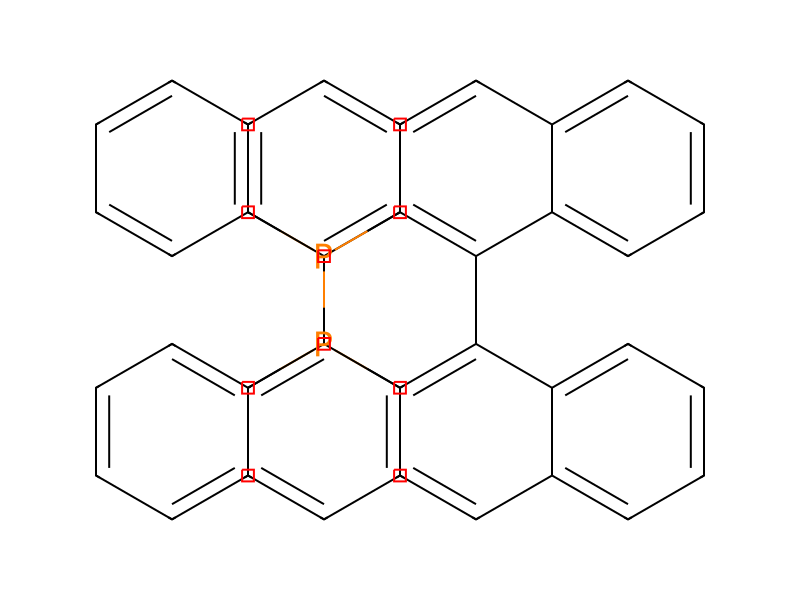
C1(P(C2C=CC=CC=2)C2C=CC3C(=CC=CC=3)C=2C2C3C(=CC=CC=3)C=CC=2P(C2C=CC=CC=2)C2C=CC=CC=2)C=CC=CC=1.Cl[C:48]1[CH:53]=[N:52][CH:51]=[C:50]([Cl:54])[N:49]=1.[CH2:55]([N:62]1[CH2:66][CH2:65][C@@H:64]([NH2:67])[CH2:63]1)[C:56]1[CH:61]=[CH:60][CH:59]=[CH:58][CH:57]=1.C(=O)([O-])[O-].[Cs+].[Cs+]>O1CCOCC1.C([O-])(=O)C.[Pd+2].C([O-])(=O)C.O>[CH2:55]([N:62]1[CH2:66][CH2:65][C@@H:64]([NH:67][C:48]2[CH:53]=[N:52][CH:51]=[C:50]([Cl:54])[N:49]=2)[CH2:63]1)[C:56]1[CH:57]=[CH:58][CH:59]=[CH:60][CH:61]=1Participants
Reactant 4



Product 1

Reagents, catalysts & solvents 3



Procedure
Palladium(II) acetate (75 mg) and 2,2′-bis(diphenylphosphino)-1,1′-binaphthalene (313 mg) in dioxane (5 mL) was stirred at ambient temperature for 15 minutes. To this suspension was added 2,6-dichloropyrazine (1.00 g), (3R)-(−)-1-benzyl-3-aminopyrrolidine (1.42 g), and cesium carbonate (3.28 g), and the mixture was heated at 80 C for 8 hours. The resulting mixture was allowed to cool to ambient temperature, poured into water, and extracted with ethyl acetate. The organic phase was washed with brine, dried over anhydrous sodium sulfate and concentrated in vacuo. The residue was purified by silica gel column chromatography (chloroform/methanol=96/4 v/v) to give N-[(3R)-1-benzyl-3-pyrrolidinyl]-6-chloro-2-pyrazinamine (1.00 g) as a yellow solid.
Workup
- temperaturethe mixture was heated at 80 C for 8 hours
- extractionextracted with ethyl acetate
- washThe organic phase was washed with brine
- dry with materialdried over anhydrous sodium sulfate
- concentrationconcentrated in vacuo
- customThe residue was purified by silica gel column chromatography (chloroform/methanol=96/4 v/v)
Sources & evidence
- ORD record
- ord-9ec612ac1fa246e28a37ac17483be619
- Source dataset
- uspto-grants-2008_12
- Patent number
- US07465731B2
Reaction notes
Loading…