Sodium Chloride → N-Acryloyl-L-glutamic acid
Reaction equation

[OH-].[Na+].[NH2:3][C@H:4]([C:10]([OH:12])=[O:11])[CH2:5][CH2:6][C:7]([OH:9])=[O:8].[C:13](Cl)(=[O:16])[CH:14]=[CH2:15].Cl.O.[Cl-].[Na+]>C(OCC)(=O)C.O>[C:13]([NH:3][C@H:4]([C:10]([OH:12])=[O:11])[CH2:5][CH2:6][C:7]([OH:9])=[O:8])(=[O:16])[CH:14]=[CH2:15]Participants




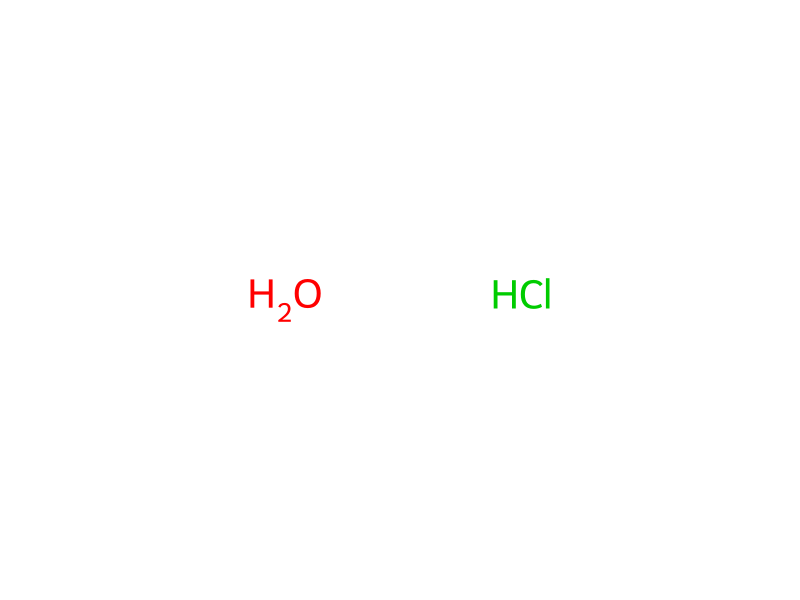



Conditions
- Temperature
- 0 °C
Procedure
A reaction flask was charged with 120 ml distilled water, 48.0 g (1.2 mol) of sodium hydroxide and 58.8 g (0.4 mol) of glutamic acid. After cooling to 0° C., acryloyl chloride, 36 g (0.4 mol) was added over 1 hour to the stirred solution. After stirring for an additional 1 hour, the solution was acidified to pH of 2 with the addition of a concentrated HCl-H2O (1:1) solution. After saturation of the solution with sodium chloride, ethyl acetate was used to extract the product. After drying the combined extracts over anhydrous magnesium sulfate, the ethyl acetate was evaporated to recover the crude product in greater than 60% yield. After recrystallization from ethyl acetate the white, crystalline N-acryloylglutamic acid had a melting point of 125°-127° C.
Workup
- additionA reaction flask was charged with 120 ml
- extractionto extract the product
- dry with materialAfter drying the combined extracts over anhydrous magnesium sulfate
- customthe ethyl acetate was evaporated
- customto recover the crude product in greater than 60% yield
- customAfter recrystallization from ethyl acetate the white, crystalline N-acryloylglutamic acid
Sources & evidence
- ORD record
- ord-3e3e97c34f054215bd59682e913484ac
- Source dataset
- uspto-grants-1994_11
- Patent number
- US05369142
Reaction notes
Loading…