Formic Acid → 5-(2-acetyl-phenoxy)-2H-pyridazin-3-one
Reaction equation

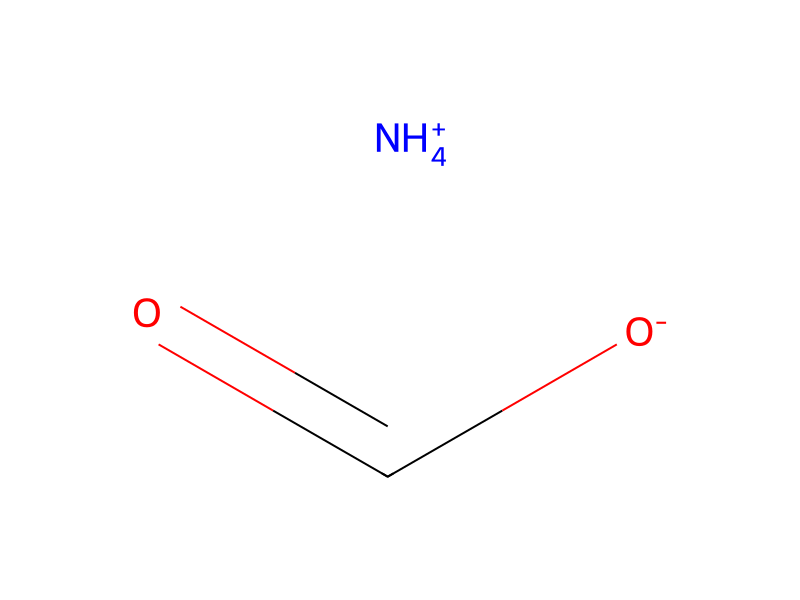
[C:1]([C:4]1[CH:18]=[CH:17][CH:16]=[CH:15][C:5]=1[O:6][C:7]1[CH:12]=[N:11][NH:10][C:9](=[O:13])[C:8]=1Cl)(=[O:3])[CH3:2].C(O)=O.C([O-])=O.[NH4+]>[Pd].C(O)C>[C:1]([C:4]1[CH:18]=[CH:17][CH:16]=[CH:15][C:5]=1[O:6][C:7]1[CH:12]=[N:11][NH:10][C:9](=[O:13])[CH:8]=1)(=[O:3])[CH3:2]Participants
6





Conditions
- Temperature
- 25 °C
Procedure
A suspension of 5-(2-acetyl-phenoxy)-4-chloro-2H-pyridazin-3-one (6 g, 0.0227 mol) and palladium on carbon (2.5 g) in ethanol (180 mL) was heated to reflux and then treated with formic acid (1.2 g, 0.023 mol). The reaction stirred for 10 min at reflux and then ammonium formate (1.43 g, 0.023 mol) was added. The reaction stirred at reflux for another 10 min. At this time, a second portion of ammonium formate (0.3 g, 0.0048 mol) was added. After 5 min, the reaction was cooled to 25° C. and filtered. The filtrate was concentrated in vacuo to afford 5-(2-acetyl-phenoxy)-2H-pyridazin-3-one (4.7 g, 90%); ESI-MS 231 [M+H+].
Workup
- temperaturewas heated
- temperatureto reflux
- temperatureat reflux
- stirringThe reaction stirred
- temperatureat reflux for another 10 min
- waitAfter 5 min
- filtrationfiltered
- concentrationThe filtrate was concentrated in vacuo
Sources & evidence
- ORD record
- ord-9a25442540ed4b5e81e3feea428bd71b
- Source dataset
- uspto-grants-2012_09
- Patent number
- US08258134B2
Reaction notes
Loading…