Acetic Anhydride → HCID 66891631, compound
Reaction equation

[CH3:1][C:2]1[N:6]([CH2:7][CH:8]([OH:10])[CH3:9])[N:5]=[C:4]([N+:11]([O-:13])=[O:12])[CH:3]=1.C(N(CC)CC)C.CN(C1C=CC=CN=1)C.[C:30](OC(=O)C)(=[O:32])[CH3:31]>C(Cl)Cl.O>[CH3:9][CH:8]([O:10][C:30](=[O:32])[CH3:31])[CH2:7][N:6]1[C:2]([CH3:1])=[CH:3][C:4]([N+:11]([O-:13])=[O:12])=[N:5]1Participants
7


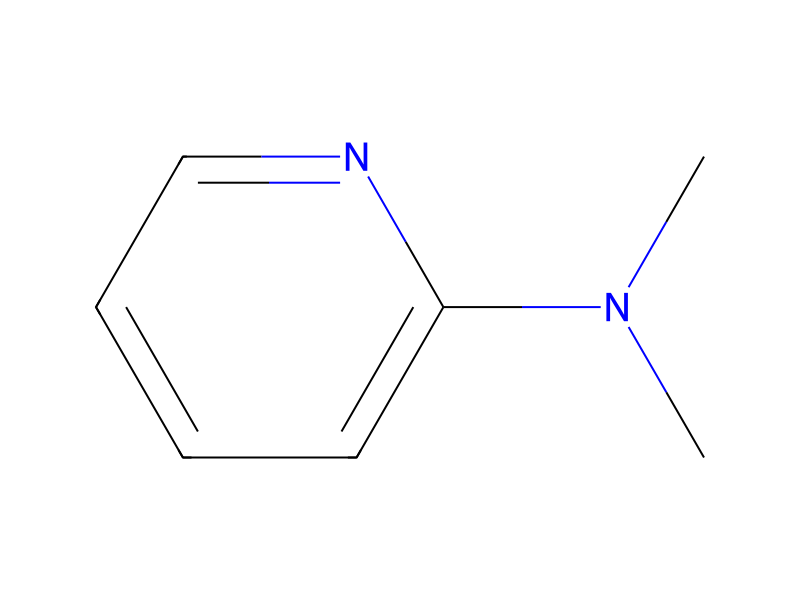




Conditions
- Temperature
- 25 °C
Procedure
A solution of 1-(5-Methyl-3-Nitro-Pyrazol-1-Yl)-Propan-2-ol (440 Mg, 2.5 Mmol) in methylene chloride at 25° C. was treated with triethylamine (1.1 mL, 7.7 mmol), catalytic dimethylaminopyridine and acetic anhydride (0.29 mL, 3.0 mmol). The reaction was stirred at 25° C. for 1.5 h. At this time, the reaction was poured into water and was extracted into methylene chloride. The organics were concentrated in vacuo to afford acetic acid 1-methyl-2-(5-methyl-3-nitro-pyrazol-1-yl)-ethyl ester (440 mg, 75%) as a white solid which was used without further purification; ES+-HRMS m/e calcd for C9H13N3O4 [M+Na+] 250.0798, found 250.0798.
Workup
- extractionwas extracted into methylene chloride
- concentrationThe organics were concentrated in vacuo
Sources & evidence
- ORD record
- ord-4467dd724d114afc86a5f80d5267035d
- Source dataset
- uspto-grants-2012_09
- Patent number
- US08258134B2
Reaction notes
Loading…