Sulfur Dioxide → Calcium Sulfate
Reaction equation

[OH-:1].[Ca+2:2].[OH-:3].[S:4](=[O:6])=[O:5]>O>[S:4]([O-:1])([O-:6])=[O:5].[Ca+2:2].[S:4]([O-:3])([O-:1])(=[O:6])=[O:5].[Ca+2:2]Participants
Reactant 2
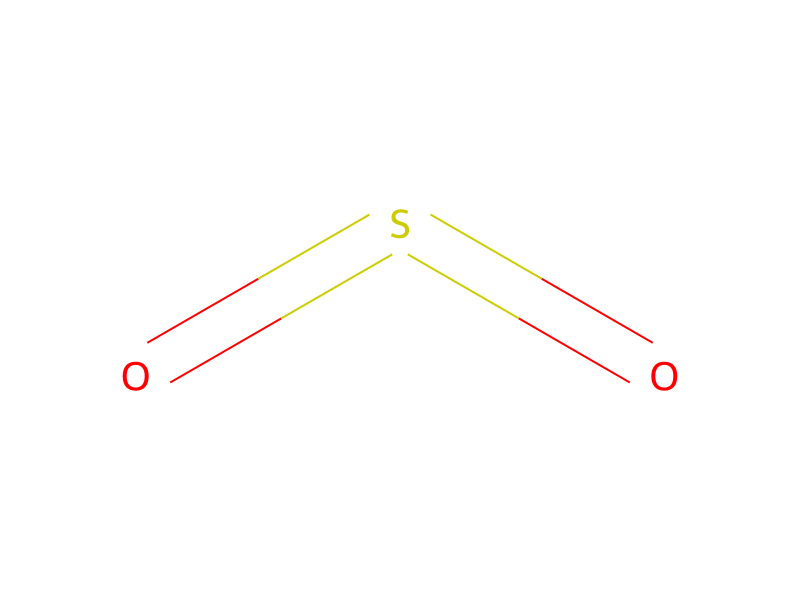

Product 2


Reagents, catalysts & solvents 1

Procedure
In one aspect disclosed herein there is provided a method for reducing lime consumption in DFGD systems that includes introducing lime and water into a slaker to produce a slaked lime slurry. The slaked lime slurry is subsequently introduced into a spray dryer where prior to the introduction of the slurry into the spray dryer, water is added to the slurry. Once introduced into the spray dryer, the slurry is atomized. A flue gas stream is also introduced into the spray dryer and reacts with the atomized slaked lime slurry. This reaction causes sulfur dioxide in the flue gas to be absorbed into droplets that form part of the atomized slurry. The sulfur dioxide reacts with the slaked lime in the slurry to form calcium sulfite and calcium sulfate particulate.
Workup
- additionOnce introduced into the spray dryer
- additionA flue gas stream is also introduced into the spray dryer
- customto be absorbed into droplets that form part of the atomized slurry
- customThe sulfur dioxide reacts with the slaked lime in the slurry
Sources & evidence
- ORD record
- ord-d44cb2ebb3b3433c85870b88f59726e2
- Source dataset
- uspto-grants-2012_09
- Patent number
- US08268276B2
Reaction notes
Loading…