Cesium carbonate → 2-Methoxy-5-(pyridin-3-yl)benzaldehyde
Reaction equation

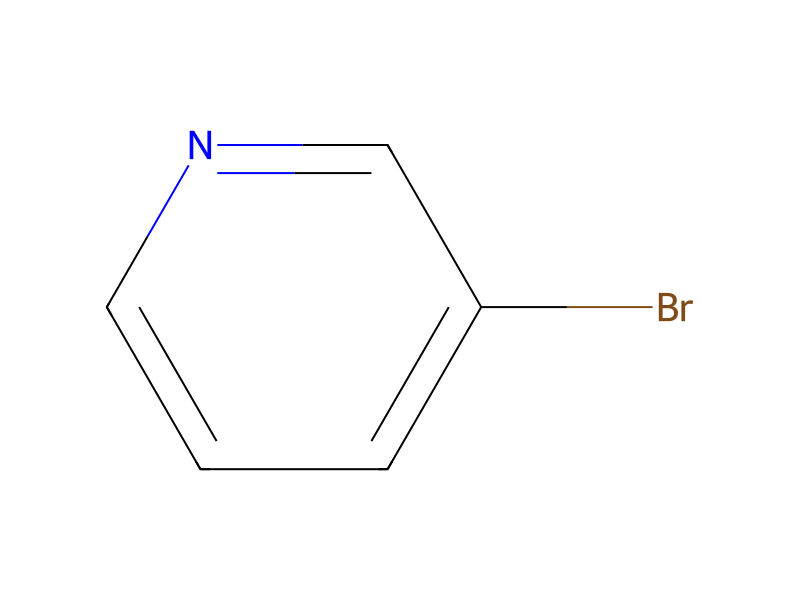
[CH:1]([C:3]1[CH:4]=[C:5](B(O)O)[CH:6]=[CH:7][C:8]=1[O:9][CH3:10])=[O:2].Br[C:15]1[CH:16]=[N:17][CH:18]=[CH:19][CH:20]=1.C(=O)([O-])[O-].[Cs+].[Cs+]>C1(C)C=CC=CC=1.C(O)C>[CH3:10][O:9][C:8]1[CH:7]=[CH:6][C:5]([C:15]2[CH:16]=[N:17][CH:18]=[CH:19][CH:20]=2)=[CH:4][C:3]=1[CH:1]=[O:2]Participants





Procedure
N1 is prepared according to a method similar to Method A. Commercially available 3-formyl-4-methoxyphenylboronic acid (1.66 g, 9.22 mmol) is dissolved in 56 mL toluene and 14 mL ethanol. 3-Bromopyridine (0.98 mL, 10.2 mmol) is added followed by cesium carbonate (3.0 g, 9.21 mmol). Nitrogen is bubbled through the mixture for 10 minutes, then palladium tetrakistriphenylphosphine (0.53 g, 0.46 mmol) is added and nitrogen bubbling is resumed for another ten minutes. The mixture is heated to reflux for 5 hours. The mixture is allowed to cool and is filtered through Celite. The Celite pad is washed with ethyl acetate and methylene chloride. The filtrate is pumped dry and the residue is chromatographed on silica gel using a gradient elution of methanol/methylene chloride. 2-Methoxy-5-pyridin-3-yl-benzaldehyde (N1) is obtained (0.635 g, 2.98 mmol; 32% yield).
Workup
- customN1 is prepared
- customNitrogen is bubbled through the mixture for 10 minutes
- waitnitrogen bubbling is resumed for another ten minutes
- temperatureThe mixture is heated
- temperatureto reflux for 5 hours
- temperatureto cool
- filtrationis filtered through Celite
- washThe Celite pad is washed with ethyl acetate and methylene chloride
- customThe filtrate is pumped dry
- customthe residue is chromatographed on silica gel using
- washa gradient elution of methanol/methylene chloride
Sources & evidence
- ORD record
- ord-223c6bd7cef242d4a063e191d3fe6230
- Source dataset
- uspto-grants-2012_09
- Patent number
- US08273747B2
Reaction notes
Loading…