2-Chloro-4-fluoro-5-nitrophenyl methyl carbonate → 3-Amino-4-fluorophenyl methyl carbonate hydrochloride
Reaction equation

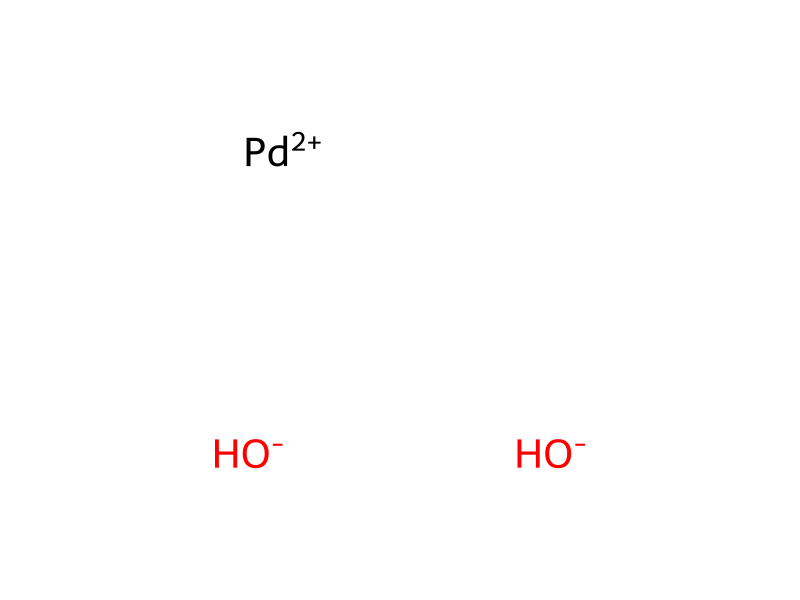
[C:1](=[O:16])([O:14][CH3:15])[O:2][C:3]1[CH:8]=[C:7]([N+:9]([O-])=O)[C:6]([F:12])=[CH:5][C:4]=1[Cl:13]>CO.[OH-].[OH-].[Pd+2]>[ClH:13].[C:1](=[O:16])([O:14][CH3:15])[O:2][C:3]1[CH:4]=[CH:5][C:6]([F:12])=[C:7]([NH2:9])[CH:8]=1Participants
4
Reactant 1

Product 1

Reagents, catalysts & solvents 2

Procedure
To a solution (20 mL) of 2-chloro-4-fluoro-5-nitrophenyl methyl carbonate (1.00 g, 4.0 mmol) in methanol was added 20% palladium hydroxide on carbon (0.4 g) under a nitrogen atmosphere. The reaction mixture was stirred under a hydrogen atmosphere at room temperature for 5 days. After nitrogen replacement, the catalyst was filtered off. The solvent was evaporated from the filtrate under reduced pressure, and the residue was recrystallized from diethyl ether to give the title compound (759 mg, 86%) as a pale-green powder.
Workup
- filtrationAfter nitrogen replacement, the catalyst was filtered off
- customThe solvent was evaporated from the filtrate under reduced pressure
- customthe residue was recrystallized from diethyl ether
Sources & evidence
- ORD record
- ord-1c3eb9fe5d53470b9188a090e6eb1dc5
- Source dataset
- uspto-grants-2012_09
- Patent number
- US08273741B2
Reaction notes
Loading…