Piperazine → HCID 70199140, compound
Reaction equation

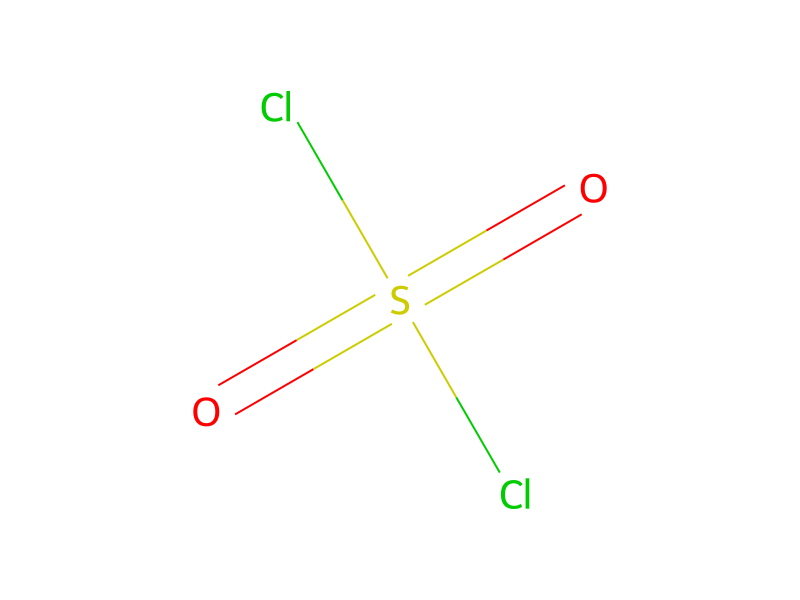
Cl[C:2]1[C:3]2[CH:12]=[CH:11][C:10]([Cl:13])=[CH:9][C:4]=2[S:5](=[O:8])(=[O:7])[CH:6]=1.[NH:14]1[CH2:19][CH2:18][NH:17][CH2:16][CH2:15]1.ClS(Cl)(=O)=O>ClCCl>[Cl:13][C:10]1[CH:11]=[CH:12][C:3]2[C:2]([N:14]3[CH2:19][CH2:18][NH:17][CH2:16][CH2:15]3)=[CH:6][S:5](=[O:8])(=[O:7])[C:4]=2[CH:9]=1Participants
5
Reactant 3


Product 1

Reagents, catalysts & solvents 1

Procedure
A mixture of 3,6-dichlorobenzo[b]thiophene-1,1-dioxide (16.00 g, 0.0681 mol), piperazine (20.52 g, 0.238 mol) and dichloromethane (300 ml) was heated to reflux. After 1 hour, TLC analysis showed the dichlorosulfone (Rf =0.47, 30% ethyl acetate in hexanes, silica gel) to be consumed. The cloudy mixture was washed with 0.25 N NaOH (400 ml), H2O (300 ml), brine (250 ml), dried (Na2SO4), and the solvent removed under reduced pressure. The residue was chromatographed on silica gel, eluting with 50% methanol in dichloromethane, to afford 12.90 g (66.5%) of a yellow solid. A 1.60 g sample was recrystallized from dichloromethane/ether yielding 0.480 g of light yellow crystals: m.p. 154° C. dec.
Workup
- temperaturewas heated to reflux
- customto be consumed
- washThe cloudy mixture was washed with 0.25 N NaOH (400 ml), H2O (300 ml), brine (250 ml)
- dry with materialdried (Na2SO4)
- customthe solvent removed under reduced pressure
- customThe residue was chromatographed on silica gel
- washeluting with 50% methanol in dichloromethane
Sources & evidence
- ORD record
- ord-81814a850ae4493a935a7ca92b103bf2
- Source dataset
- uspto-grants-1998_09
- Patent number
- US05801176
Reaction notes
Loading…