Acetic Anhydride → Methyl (R)-2-(4-acetylphenoxy)propionate
Reaction equation

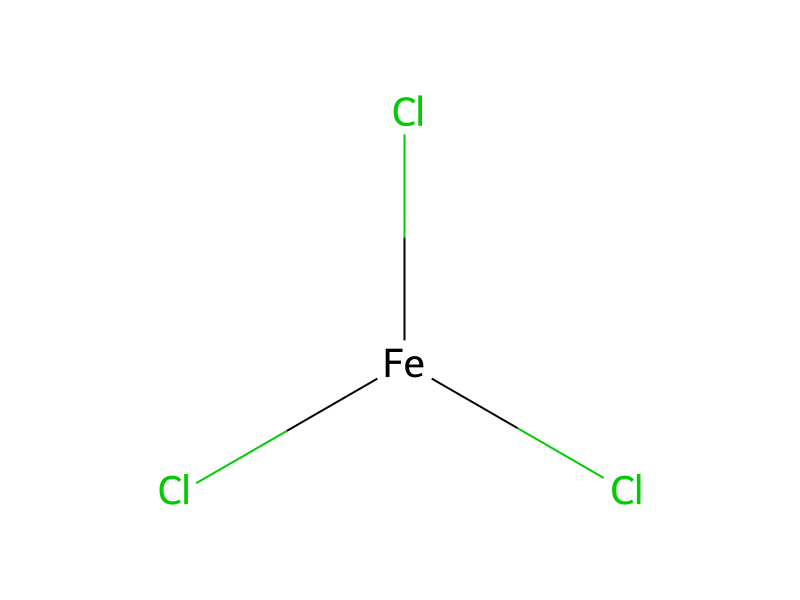
[O:1]([C@H:8]([CH3:13])[C:9]([O:11][CH3:12])=[O:10])[C:2]1[CH:7]=[CH:6][CH:5]=[CH:4][CH:3]=1.[C:14](OC(=O)C)(=[O:16])[CH3:15]>[Fe](Cl)(Cl)Cl.C(OCC)(=O)C>[C:14]([C:5]1[CH:6]=[CH:7][C:2]([O:1][C@H:8]([CH3:13])[C:9]([O:11][CH3:12])=[O:10])=[CH:3][CH:4]=1)(=[O:16])[CH3:15]Participants
5
Reactant 2


Product 1

Reagents, catalysts & solvents 2

Procedure
A mixture of 36 g (0.2 mol) of methyl (R)-2-phenoxypropionate (enantiomeric excess 94-95%), 81.6 g (0.8 mol) of acetic anhydride, 6.5 g (0.04 mol) of iron(III) chloride and 100 ml of ethyl acetate was heated at 70°-75° C. for 6 hours. The diluent and excess acetic anhydride were then removed under reduced pressure, after which the crude product was subjected to vacuum distillation. Yield: 80% (94-95% enantiomeric excess).
Workup
- temperaturewas heated at 70°-75° C. for 6 hours
- customThe diluent and excess acetic anhydride were then removed under reduced pressure
- distillationafter which the crude product was subjected to vacuum distillation
Sources & evidence
- ORD record
- ord-e53e29ac4804469c8f6fed87c071d0d1
- Source dataset
- uspto-grants-1998_09
- Patent number
- US05801272
Reaction notes
Loading…