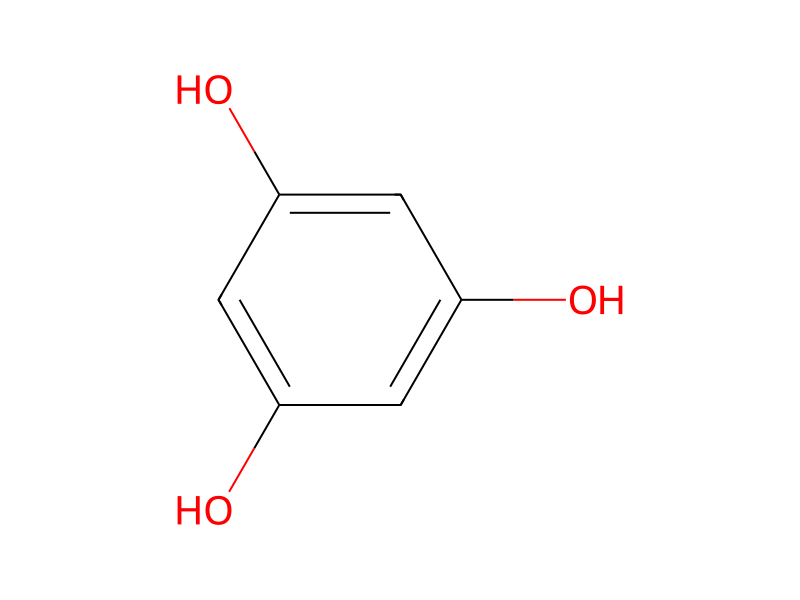
Phloroglucinol → 5,7-Dihydroxy-8-propionyl-4-propyl-2H-chromen-2-one
Reaction equation

[O:1]1[C:10]2[C:5](=[CH:6][CH:7]=[CH:8][CH:9]=2)C=CC1.[C:11](CC(OCC)=O)(=[O:15])[CH2:12][CH2:13]C.[C:22]1([CH:30]=[C:28]([OH:29])[CH:27]=[C:25]([OH:26])[CH:24]=1)[OH:23].S(=O)(=O)(O)O.C(Cl)(=O)CC>C(=S)=S.[N+](C1C=CC=CC=1)([O-])=O>[OH:23][C:22]1[CH:30]=[C:28]([OH:29])[C:27]([C:11](=[O:15])[CH2:12][CH3:13])=[C:25]2[C:24]=1[C:8]([CH2:7][CH2:6][CH3:5])=[CH:9][C:10](=[O:1])[O:26]2Participants
Reactant 5



Product 1

Reagents, catalysts & solvents 2


Procedure
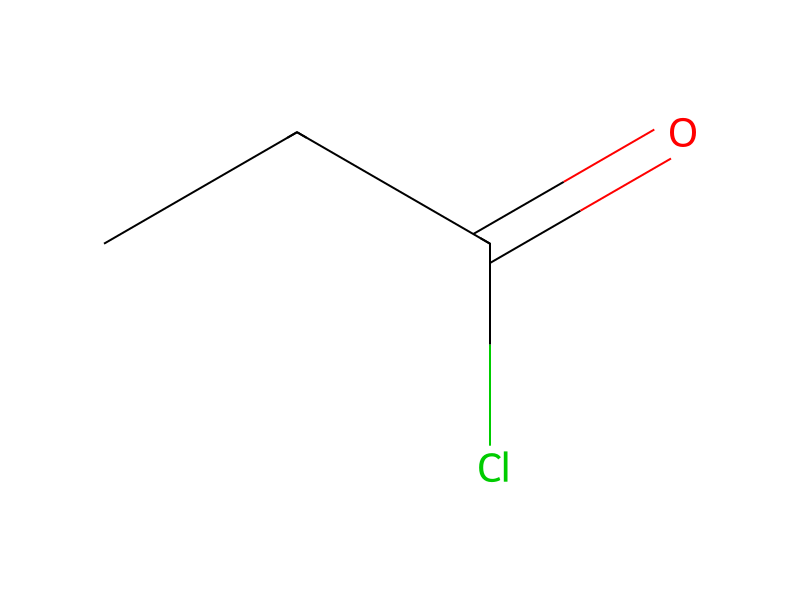
The key intermediate in the inventive method of preparation is chromene 4, which is synthesized by the sequence depicted in Scheme I. Thus, 5,7-dihydroxy-4-propylcoumafin, 2,5 was prepared quantitatively from ethyl butyrylacetate and phloroglucinol under Pechman conditions.6Product yield and purity was dependent on the amount of sulfuric acid used. The 8-position of 5,7-dihydroxy-4-propylcoumafin, 2, was then selectively acylated at 8°-10° C. by propionyl chloride and A1Cl3 in a mixture of carbon disulfide and nitrobenzene to afford 5,7-dihydroxy-8-propionyl-4-propylcoumarin, 3. A route developed for synthesis of Mammea coumarins7 was initially attempted for preparation of compound 3, but it proved too awkward and low-yielding. The chromene ring was introduced upon treatment of compound 3 with 4,4-dimethoxy-2-methylbutan-2-ol,8 providing 4 in 78% yield. ##STR2##
Workup
- customThe key intermediate in the inventive method of preparation
- customis synthesized by the sequence
- customyield
Sources & evidence
- ORD record
- ord-665bfce99f7142bd96649cc8236f2ad3
- Source dataset
- uspto-grants-1996_02
- Patent number
- US05489697
Reaction notes
Loading…