Cyanide → 4-Thiazolecarboxylic acid, 5-propyl-, ethyl ester
Reaction equation

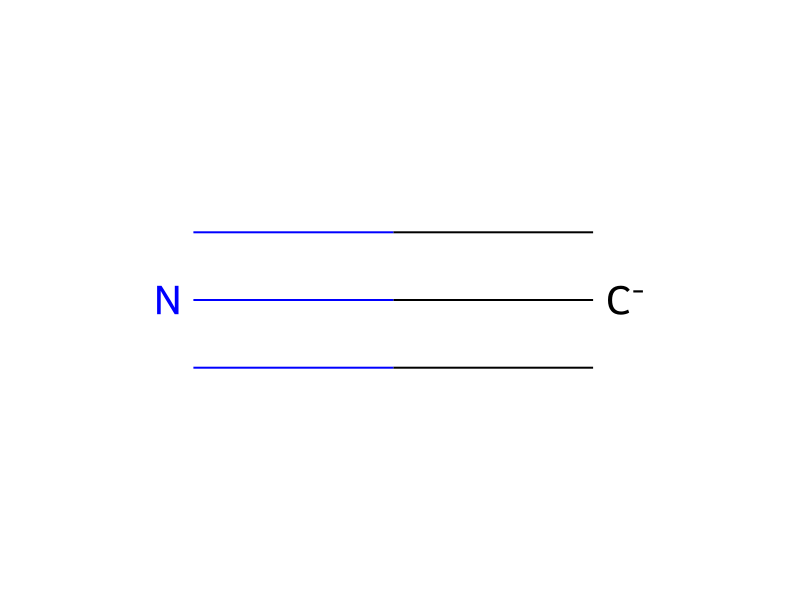
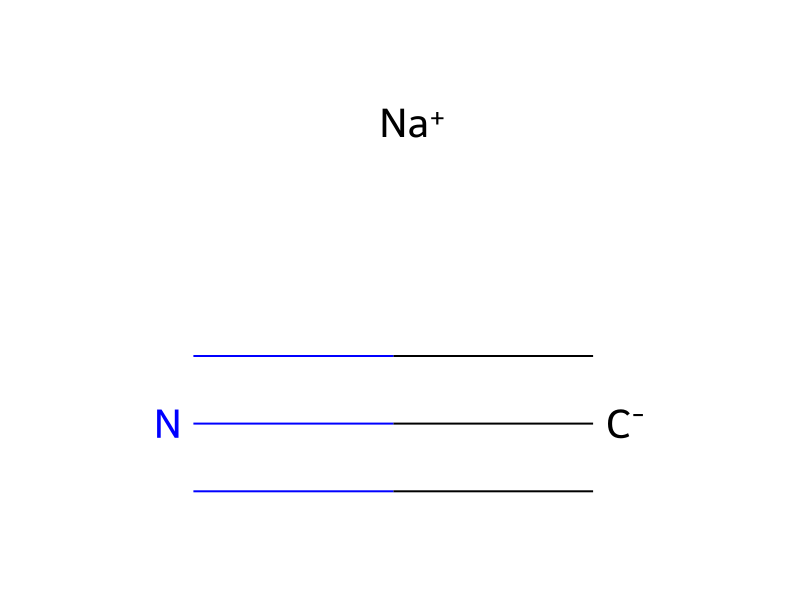
[N+]([CH2:3][C:4](OCC)=O)#[C-].[C-]#N.[Na+].N#[C-].[CH2:14]([O:16][C:17]([C:19]1[N:20]=[CH:21][S:22][C:23]=1[CH3:24])=[O:18])[CH3:15]>C(O)C>[CH2:14]([O:16][C:17]([C:19]1[N:20]=[CH:21][S:22][C:23]=1[CH2:24][CH2:3][CH3:4])=[O:18])[CH3:15]Participants



Procedure
A solution of 2.25 g. (0.02 m) of ethyl isocyanoacetate and 2.08 g. (0.02 m) 0-ethyl thioacetate in 10 ml. absolute ethanol is added dropwise to a suspension of 0.25 g. sodium cyanide in 10 ml. absolute ethanol. After 5 minutes a mild exotherm occurs and the temperature rises to from 22° to 32° C. remaining there for about 1/2 hour. The reaction mixture is then heated at 50° C. for 8 hours at which time the smell of isonitrile is gone. The reaction mixture is then evaporated to dryness in vacuo leaving a dark oil which is extracted several times with hot hexane. The hexane is evaporated affording 2.8 g. (82%) of a tan solid which is the desired 4-ethoxycarbonyl-5-methylthiazole. This solid is recrystallized from ether/hexane affording a pure product with a m.p. 89°-90° C. Following the foregoing procedures employing 0-ethyl thiobutyrate in place of 0-ethyl thioacetate, there is obtained 4-ethoxycarbonyl-5-(n-propyl) thiazole with a boiling point of 85°-87° C. at 0.15 mm of Hg.
Workup
- customrises to from 22° to 32° C.
- waitremaining there for about 1/2 hour
- customThe reaction mixture is then evaporated to dryness in vacuo
- customleaving a dark oil which
- extractionis extracted several times with hot hexane
- customThe hexane is evaporated
- customaffording 2.8 g
- customThis solid is recrystallized from ether/hexane affording a pure product with a m.p. 89°-90° C
Sources & evidence
- ORD record
- ord-5f944d488b4849228ec7e72a1475bac3
- Source dataset
- uspto-grants-1977_05
- Patent number
- US04021438
Reaction notes
Loading…