Perchloric Acid → HCID 21437941, compound
Reaction equation

[Cl:1][C:2]1[CH:7]=[CH:6][CH:5]=[CH:4][C:3]=1[C:8]1[CH:13]=[CH:12][C:11]([C:14](=O)[CH2:15][CH2:16][C:17]([O:19]C)=[O:18])=[CH:10][CH:9]=1.Cl(O)(=O)(=O)=O>C(O)(=O)C.[Pd]>[Cl:1][C:2]1[CH:7]=[CH:6][CH:5]=[CH:4][C:3]=1[C:8]1[CH:13]=[CH:12][C:11]([CH2:14][CH2:15][CH2:16][C:17]([OH:19])=[O:18])=[CH:10][CH:9]=1Participants
Reactant 2
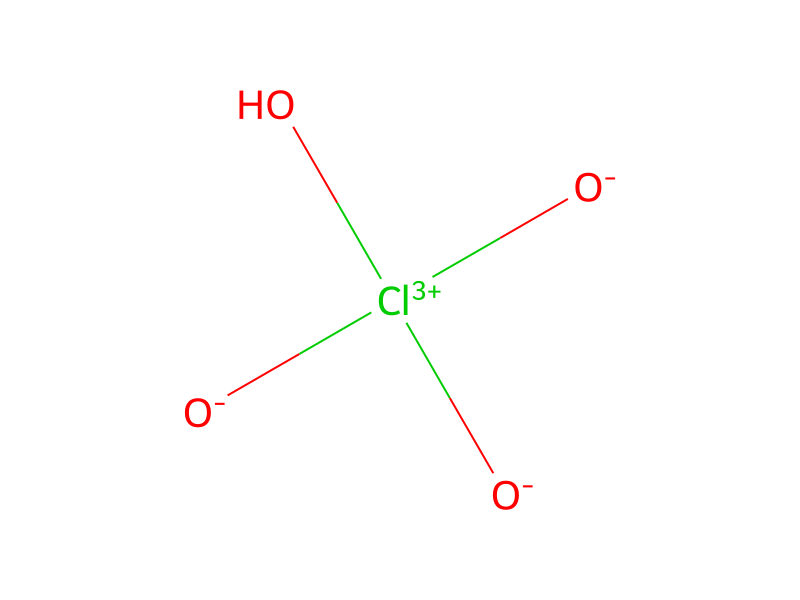

Product 1

Reagents, catalysts & solvents 2


Procedure
A solution of 17.8 gm (59 millimols) of methyl 4-(2'-chloro-4-biphenylyl)-4-oxo-butyrate in 150 ml of anhydrous acetic acid was admixed with 4 ml of perchloric acid of 70% and hydrogenated in the presence of 4 gm of palladium/barium sulfate (5%) at 5 atmospheres and at room temperature for 8 hours. The catalyst was vacuum-filtered off and the solvent was removed in vacuo; the residue was taken up in water and ethylene chloride. The carboxylic acid obtained from the separated organic phase was extracted with potassium carbonate and precipitated by acidifying. The free acid was extracted with ether, the ethereal solution was dried and distilled in a high vacuum (b.p. 186°-190° C. at 0.08 mm Hg). Yield: 62% of theory; m.p. 61.5°-63° C. (from cyclohexane/benzene). Melting point of the cyclohexylamine salt: 140° C. (from isopropanol).
Workup
- filtrationThe catalyst was vacuum-filtered off
- customthe solvent was removed in vacuo
Sources & evidence
- ORD record
- ord-5a9bbe1b8fae46398ebd2932f2ed2be4
- Source dataset
- uspto-grants-1977_05
- Patent number
- US04021479
Reaction notes
Loading…