HCID 21437942, compound → HCID 19036864, compound
Reaction equation

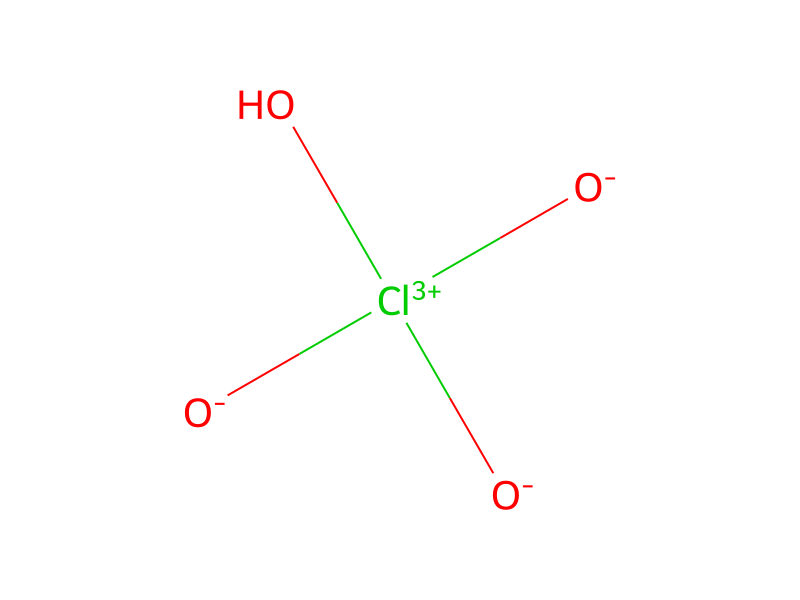
[F:1][C:2]1[CH:7]=[CH:6][CH:5]=[CH:4][C:3]=1[C:8]1[CH:13]=[CH:12][C:11]([C:14](=O)/[CH:15]=[CH:16]/[C:17]([OH:19])=[O:18])=[CH:10][CH:9]=1.[H][H]>C(O)(=O)C.Cl(O)(=O)(=O)=O.[Pd]>[F:1][C:2]1[CH:7]=[CH:6][CH:5]=[CH:4][C:3]=1[C:8]1[CH:13]=[CH:12][C:11]([CH2:14][CH2:15][CH2:16][C:17]([OH:19])=[O:18])=[CH:10][CH:9]=1Participants
Reactant 2


Product 1

Reagents, catalysts & solvents 3


Procedure
13.7 gm (0.05 mol) of 4-(2'-fluoro-4-biphenylyl)-4-oxo-crotonic acid in 100 ml of glacial acetic acid and 2 ml of perchloric acid were hydrogenated in the presence of 4 gm of 5% palladium/barium sulfate at room temperature and at atmospheric pressure; the reaction was finished after absorption of 3 mols of hydrogen. After filtering, the mixture was evaporated in vacuo, the residue distributed between water and ethyl acetate and the ethyl acetate phase was evaporated. The residue was crystallized from cyclohexane. Yield: 11.1 gm (61.4% of theory); m.p. 65°-66° C. Melting point of the cyclohexylamine salt: 130°-132° C. Melting point of the sodium salt: 139°-141° C. Melting point of the isobutylamine salt: 92°-93° C. (from ethyl acetate).
Workup
- filtrationAfter filtering
- customthe mixture was evaporated in vacuo
- customthe ethyl acetate phase was evaporated
- customThe residue was crystallized from cyclohexane
- custom130°-132° C
- custom139°-141° C
- custom92°-93° C. (from ethyl acetate)
Sources & evidence
- ORD record
- ord-8c6c014c202a4583a49c37607d0c8169
- Source dataset
- uspto-grants-1977_05
- Patent number
- US04021479
Reaction notes
Loading…