Hydrochloric Acid → HCID 178488033, compound
Reaction equation

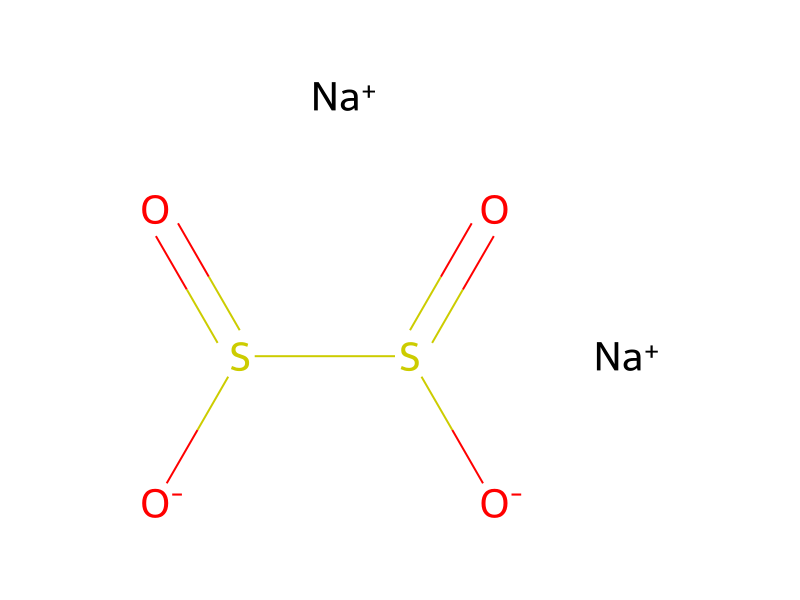
[C:1](=[S:3])=S.[OH-].[K+].[N+:6]([C:9]1[CH:14]=[CH:13][C:12]([O:15][CH3:16])=[CH:11][C:10]=1[OH:17])([O-])=O.COC1C=C(O)C=CC=1.S(S([O-])=O)([O-])=O.[Na+].[Na+].Cl>O.CO>[CH3:16][O:15][C:12]1[CH:13]=[CH:14][C:9]2[N:6]=[C:1]([SH:3])[O:17][C:10]=2[CH:11]=1Participants
Reactant 6





Product 1

Reagents, catalysts & solvents 2


Procedure
Carbon disulphide (9 ml, 0.15 mol) was added dropwise over a period of 1 minute to a solution of potassium hydroxide (6.5 g, 0.12 mol) in a mixture of water (10 ml) and methanol (100 ml), followed by 2-nitro-5-methoxyphenol (16.9 g, 0.1 mol). ]The 2-nitro-5-methoxyphenol required as starting material was prepared by nitration of 3-methoxyphenol as described in Synthetic Communications, 1993, 23(3) 343-348.] To this mixture was added dropwise a solution of potassium hydroxide (39 g, 0.7 mol) and sodium dithionite (65 g, 0.3 mol), over a period of 15 minutes, so that the temperature did not exceed 40° C. The reaction mixture was then cooled to room temperature and carbon disulphide (0.9 ml, 0.15 mol) added and the resulting solution heated to 80° C. for 2 hours. The mixture was then cooled and acidified with concentrated hydrochloric acid to a pH of 3. The pale yellow precipitate was collected and air dried to yield 6-methoxy-2-mercaptobenzoxazole (16.6 g, 89%).
Workup
- customdid not exceed 40° C
- temperaturethe resulting solution heated to 80° C. for 2 hours
- temperatureThe mixture was then cooled
- customThe pale yellow precipitate was collected
- customair dried
Sources & evidence
- ORD record
- ord-9e967ae3893e4337ac08707b4b77f1ee
- Source dataset
- uspto-grants-1995_09
- Patent number
- US05451681
Reaction notes
Loading…