Sodium Chloride → HCID 53708905, compound
Reaction equation

[H-].[Na+].[CH2:3]([CH2:13][C:14](=[O:16])[CH3:15])/[CH:4]=[C:5](/[CH2:7][CH2:8][CH:9]=[C:10]([CH3:12])[CH3:11])\[CH3:6].[NH4+].[Cl-].[Na+].[Cl-].[CH3:21][O:22][C:23](=O)[O:24]C>C1(C)C=CC=CC=1.CN1CCCC1=O>[O:16]=[C:14]([CH2:13][CH2:3][CH:4]=[C:5]([CH3:6])[CH2:7][CH2:8][CH:9]=[C:10]([CH3:11])[CH3:12])[CH2:15][C:23]([O:22][CH3:21])=[O:24]Participants
7





Procedure
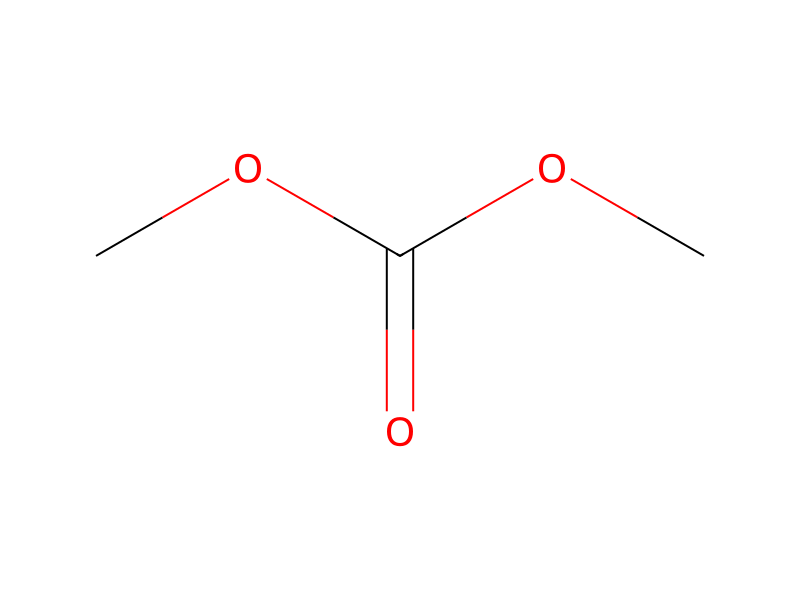
24 g (0.55M) of sodium hydride (55% dispersion in mineral oil) were added at 20° under nitrogen to a solution of 135 g (1.5M) of dimethylcarbonate in 500 ml of a mixture of toluene/N-methylpyrrolidone (9:1). The obtained mixture was heated to reflux (bath temperature 100°) then, during 1 h, there was added a solution of 0.5M of geranylacetone in 135 g (1.5M) of dimethylcarbonate, where upon the resulting reaction mixture was kept refluxing during 10 min. It was finally poured into a 10% aqueous solution of NH4Cl saturated with NaCl. An ether extraction, followed by the usual work up of the combined organic extracts and fractional distillation gave methyl 3-oxo-7,11-dimethyl-dodeca-6,10-dienoate.
Workup
- temperatureThe obtained mixture was heated
- temperatureto reflux (bath temperature 100°)
- customupon the resulting reaction mixture
- temperaturewas kept refluxing during 10 min
- extractionAn ether extraction
- distillationfollowed by the usual work up of the combined organic extracts and fractional distillation
Sources & evidence
- ORD record
- ord-fe80c16b71244bbe8c598eaaf4a7b2b5
- Source dataset
- uspto-grants-1995_09
- Patent number
- US05453525
Reaction notes
Loading…