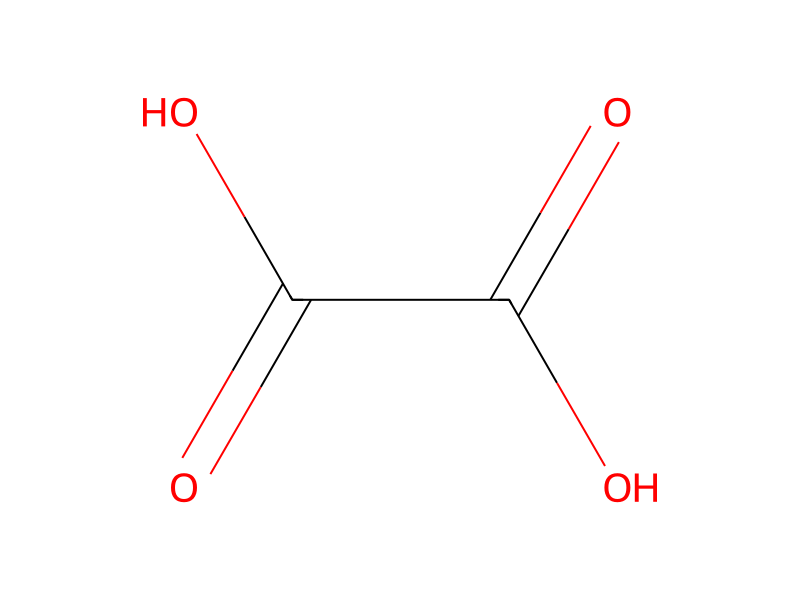
Oxalic Acid → HCID 66836012, compound
Reaction equation

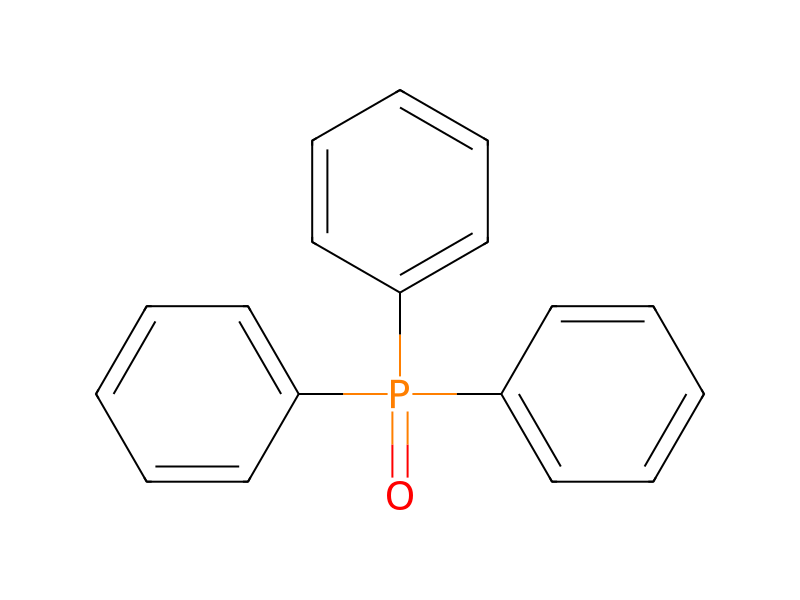
C1(P(=O)(C2C=CC=CC=2)C2C=CC=CC=2)C=CC=CC=1.[NH2:21][CH2:22][CH2:23][NH:24][C:25](=O)[CH2:26][S:27][C:28]1[CH:33]=[CH:32][CH:31]=[C:30]([CH:34]([C:43]2[NH:47][C:46]3[CH:48]=[CH:49][CH:50]=[CH:51][C:45]=3[N:44]=2)[O:35][CH:36]2[CH2:41][CH2:40][N:39]([CH3:42])[CH2:38][CH2:37]2)[CH:29]=1.C(O)(=O)C(O)=O>C(Cl)Cl>[NH:24]1[CH2:23][CH2:22][N:21]=[C:25]1[CH2:26][S:27][C:28]1[CH:29]=[C:30]([CH:34]([O:35][CH:36]2[CH2:41][CH2:40][N:39]([CH3:42])[CH2:38][CH2:37]2)[C:43]2[NH:47][C:46]3[CH:48]=[CH:49][CH:50]=[CH:51][C:45]=3[N:44]=2)[CH:31]=[CH:32][CH:33]=1Participants
Reactant 3

Product 1

Reagents, catalysts & solvents 1

Conditions
- Temperature
- 0 °C
Procedure
To a solution of triphenylphosphine oxide (2.2 mmoles) in 4 mL CH2Cl2 cooled at 0° C. is added dropwise trifluoromethanesulfonyl anhydride (310 mg, 1.1 mmoles). The reaction mixture is stirred at 0° C. for 30 minutes, then a solution of N-(2-aminoethyl)-2-{3-[(1H-benzimidazol-2-yl)(1-methylpiperidin-4-yloxy)methyl]phenylsulfanyl}acetamide (Example 436) (250 mg, 0.55 mmole) in 2 mL CH2Cl2 is added dropwise. The reaction mixture is allowed to reach room temperature and stirred for 1.5 h. The organic phase is washed with 1N sodium hydroxide solution, then dried over magnesium sulfate and concentrated. The residue is purified by chromatography on silica gel (gradient dichloromethane/methanol/ammonia from 100/0/0 to 80/20/2). The residue is then dissolved in acetone and one equivalent of oxalic acid is added. Acetone is removed under reduced pressure to afford 2-[[3-(4,5-dihydro-1H-imidazol-2-ylmethylsulfanyl)phenyl](1-methylpiperidin-4-yloxy)methyl]-1H-benzimidazole melting at 62° C. (déc.); MS, [M+H]+=436.1.
Workup
- customto reach room temperature
- stirringstirred for 1.5 h
- washThe organic phase is washed with 1N sodium hydroxide solution
- dry with materialdried over magnesium sulfate
- concentrationconcentrated
- customThe residue is purified by chromatography on silica gel (gradient dichloromethane/methanol/ammonia from 100/0/0 to 80/20/2)
- dissolutionThe residue is then dissolved in acetone
- customAcetone is removed under reduced pressure
Sources & evidence
- ORD record
- ord-a0c970cab2ab404eb26af5801519d84d
- Source dataset
- uspto-grants-2014_08
- Patent number
- US08802664B2
Reaction notes
Loading…