Hydroxide → Carbonate Ion
Reaction equation

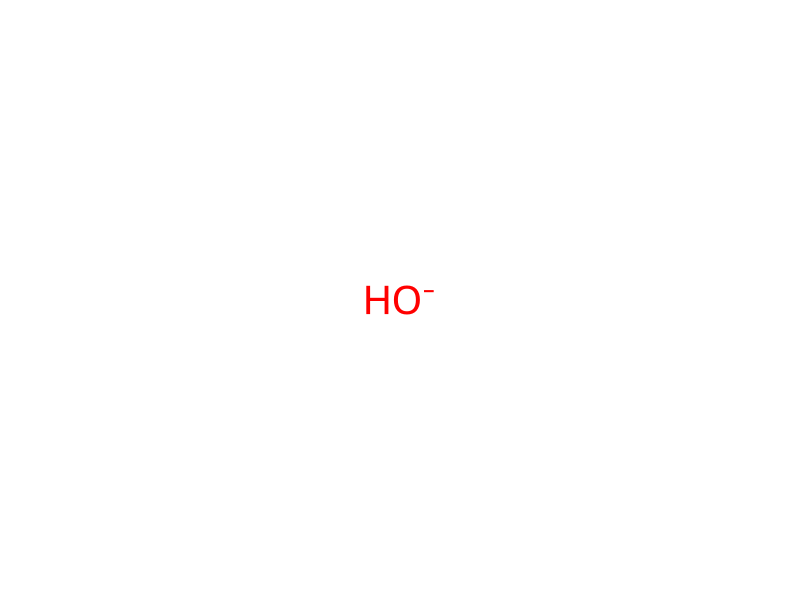
[C:1](=[O:4])([O-:3])[O-:2].[OH-].[Mg].[Ca:7]>>[C:1](=[O:2])([O-:4])[O-:3].[C:1](=[O:2])([OH:4])[O-:3].[Ca+2:7].[C:1](=[O:2])([OH:4])[O-:3]Participants




Procedure
Magnesium bicarbonate and/or calcium bicarbonate exist as solution with low solubility. They are not stable, and by heating they will decompose and form magnesium or/and calcium carbonate or precipitate(s) of basic carbonate. Therefore, they are not common products. The present invention uses mineral(s), oxide(s), hydroxide(s) of magnesium or/and calcium with low purity as raw materials, and these raw materials are processed through at least one step of calcination, hydration, and carbonation to produce solution(s) of magnesium bicarconate or/and calcium bicarbonate. By controlling the temperature of carbonation and the concentration, and keeping carbon dioxide in solution being saturated, the magnesium bicarbonate and/or calcium bicarbonate could keep stable at a certain concentration in solution. The precipitating mother liquor containing magnesium is used to produce magnesium hydroxide through alkali conversion. And then the magnesium hydroxide is used for carbonation to prepare magnesium bicarbonate. At the same time, carbon dioxide, which is produced from calcination of the magnesium and calcium minerals or their metal carbonate, is collected for the carbonation to prepare magnesium bicarbonate and/or calcium bicarbonate. The resources are efficiently recycled in the whole process, and CO2 emission and wastewater pollution can be efficiently avoided. More importantly, the production cost of metals declines a lot.
Sources & evidence
- ORD record
- ord-2dbbfabde4f1484e9b0393ab717236cf
- Source dataset
- uspto-grants-2014_08
- Patent number
- US08808660B2
Reaction notes
Loading…