2-Methyl-5-phenyladamantan-2-ol → 1-(2-Phenylhexahydro-2,5-methanopentalen-3a-yl)ethanone
Reaction equation

[CH3:1][C:2]1([OH:18])[CH:9]2[CH2:10][CH:5]3[CH2:6][C:7]([C:12]4[CH:17]=[CH:16][CH:15]=[CH:14][CH:13]=4)([CH2:11][CH:3]1[CH2:4]3)[CH2:8]2.Cl[O-].[Na+]>C1COCC1.C(O)(=O)C.O>[C:12]1([C:7]23[CH2:6][CH:5]4[CH2:4][C:3]([C:2](=[O:18])[CH3:1])([CH2:11]2)[CH:9]([CH2:10]4)[CH2:8]3)[CH:17]=[CH:16][CH:15]=[CH:14][CH:13]=1Participants

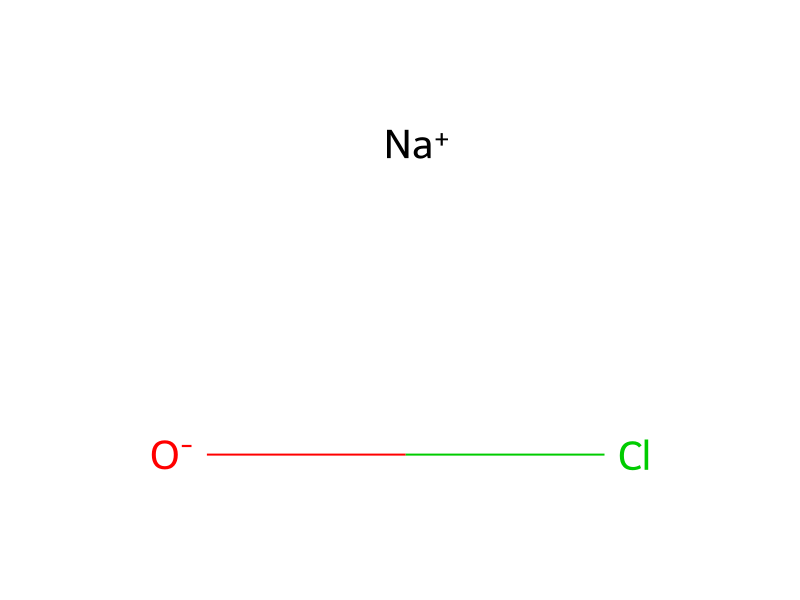




Conditions
- Temperature
- 25 °C
Procedure
A solution of 2-methyl-5-phenyladamantan-2-ol (300 g) in THF (710 ml) and acetic acid (160 ml) was added at 0° C. to a solution (8.3%, 3330 ml) of sodium hypochloride in water. After addition of n-tetrabutylammonium iodide (25.6 g), the mixture was heated to 25° C. within 90 minutes. After full conversion and phase separation, the organic phase was washed repeatedly with water. After full concentration of the organic phase, the residue was taken up in methanol (525 ml). Potassium hydroxide (82 g) was added and the mixture was stirred at room temperature. After adding tert-butyl methyl ether, the mixture was washed repeatedly with water. The organic solution was clarified with activated carbon and concentrated fully under reduced pressure. This gave 1-(2-phenylhexahydro-2,5-methanopentalen-3a-yl)ethanone (320 g) as an oil.
Workup
- customAfter full conversion and phase separation
- washthe organic phase was washed repeatedly with water
- concentrationAfter full concentration of the organic phase
- additionPotassium hydroxide (82 g) was added
- additionAfter adding tert-butyl methyl ether
- washthe mixture was washed repeatedly with water
- concentrationconcentrated fully under reduced pressure
Sources & evidence
- ORD record
- ord-28e50e8b8c3b4731b73cbbe2ac800b44
- Source dataset
- uspto-grants-2014_08
- Patent number
- US08809325B2
Reaction notes
Loading…