Methanol → Methyl 7-chlorothieno[3,2-B]pyridine-2-carboxylate
Reaction equation

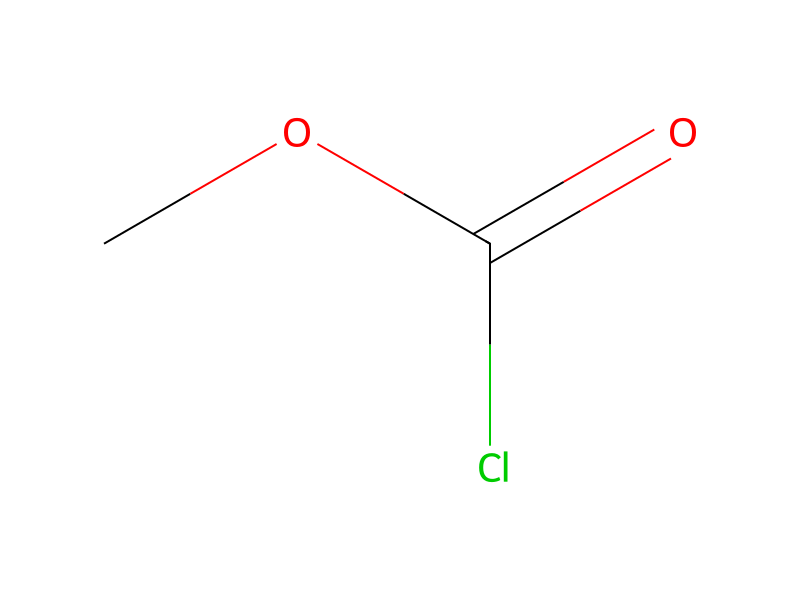
[Cl:1][C:2]1[CH:7]=[CH:6][N:5]=[C:4]2[CH:8]=[CH:9][S:10][C:3]=12.C([Li])CCC.Cl[C:17]([O:19][CH3:20])=[O:18].CO>C1COCC1.ClCCl.CCCCCC.C(OCC)C>[Cl:1][C:2]1[CH:7]=[CH:6][N:5]=[C:4]2[CH:8]=[C:9]([C:17]([O:19][CH3:20])=[O:18])[S:10][C:3]=12Participants
Reactant 4



Product 1

Reagents, catalysts & solvents 3


Procedure
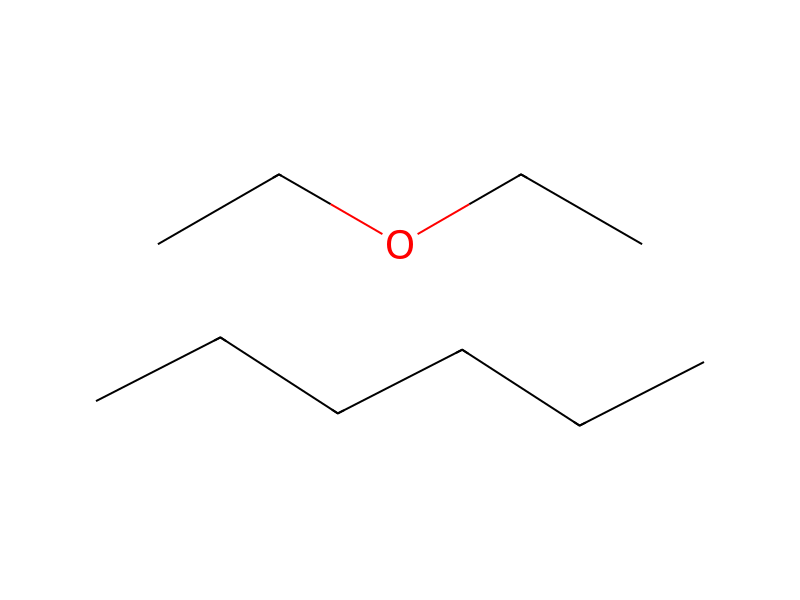
7-chlorothieno[3,2-b]pyridine (19.7 g, 0.116 mol) was taken up in THF (400 mL) and cooled to approximately −70 C. The n-butyllithium (1.6M, 80 mL, 0.128 mol) was added dropwise with stirring under an atmosphere of nitrogen. The solution was stirred at −70 C for 1 hour at which time neat methyl chloroformate was added via dropwise addition. The reaction mixture gradually warmed to room temperature and was stirred for over the weekend. The reaction mixture was treated with 25 mL of methanol and then concentrated to dryness leaving a maroon residue. The crude solid was taken up in dichloromethane and passed through a silica gel column eluting with 1:1 hexane/ethyl acetate. Fractions containing the product were combined and concentrated to give a red solid. Trituration with 9:1 hexane/diethyl ether afforded methyl 7-chlorothieno[3,2-b]pyridine-2-carboxylate as a pink solid after filtration. Yield: 14.5 g (55%); MS [M+H]+227.9; 1HNMR (CDCl3) δ: 8.7 (d, 1H), 8.3 (s, 1H), 7.4 (d, 1H) ppm.
Workup
- temperaturecooled to approximately −70 C
- additionwas added via dropwise addition
- stirringwas stirred for over the weekend
- concentrationconcentrated to dryness
- customleaving a maroon residue
- washeluting with 1:1 hexane/ethyl acetate
- additionFractions containing the product
- concentrationconcentrated
- customto give a red solid
Sources & evidence
- ORD record
- ord-726ea7a102bf4082827fbee310efd497
- Source dataset
- uspto-grants-2014_08
- Patent number
- US08809534B2
Reaction notes
Loading…