Quinoxaline → HCID 13385715, compound
Reaction equation

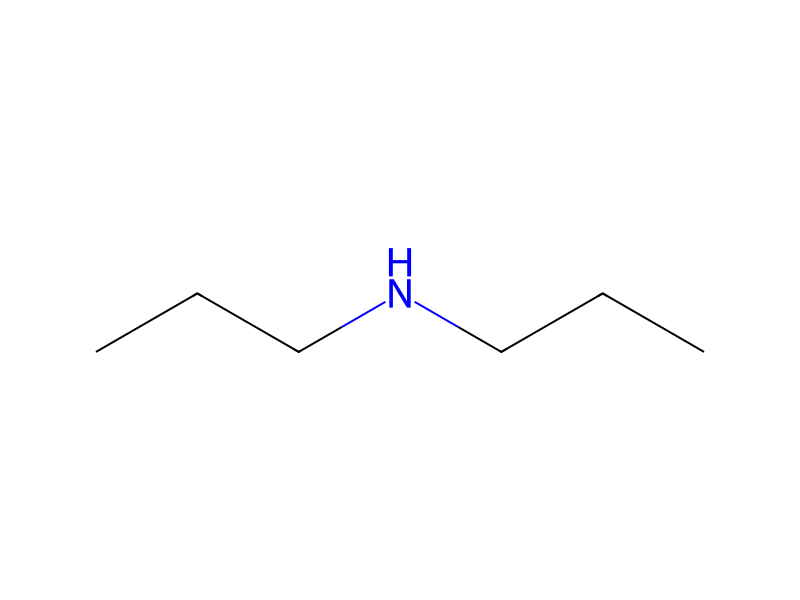
[N:1]1[C:10]2C(=CC=C[CH:9]=2)N=[CH:3][CH:2]=1.Cl[C:12]1[C:13]2[N:14]([CH:22]=[N:23][N:24]=2)[C:15]2[C:20]([N:21]=1)=[CH:19][CH:18]=[CH:17][CH:16]=2.[CH2:25](NCC)[CH3:26].C(NCCC)CC>>[CH2:2]([N:1]([CH2:10][CH3:9])[C:12]1[C:13]2[N:14]([C:22]([CH2:25][CH3:26])=[N:23][N:24]=2)[C:15]2[C:20]([N:21]=1)=[CH:19][CH:18]=[CH:17][CH:16]=2)[CH3:3]Participants
5




Procedure
This compound was prepared by the method of Example 11, utilizing 4-chloro-1-ethyl-[1,2,4]triazolo4,3-a]quinoxaline (the product of Example 4) as starting material in place of 4-chloro-[1,2,4]triazolo[4,3-a]quinoxaline (the product of Example 2) and diethylamine as reagent in place of di-n-propylamine. The crude product was recrystallized from cyclohexane to afford 3.54 g. (69% yield) of pure 4-diethylamino-1-ethyl-[1,2,4]triazolo[4,3-a]quinoxaline as a white solid (m.p. 98°-100° C.). Mass spectrum: m/e, 269 (P).
Workup
- customThis compound was prepared by the method of Example 11
- customThe crude product was recrystallized from cyclohexane
- customto afford 3.54 g
Sources & evidence
- ORD record
- ord-810ed57c196a46d28b00256effcb619b
- Source dataset
- uspto-grants-1985_01
- Patent number
- US04495187
Reaction notes
Loading…