Pyridine → HCID 54357673, compound
Reaction equation

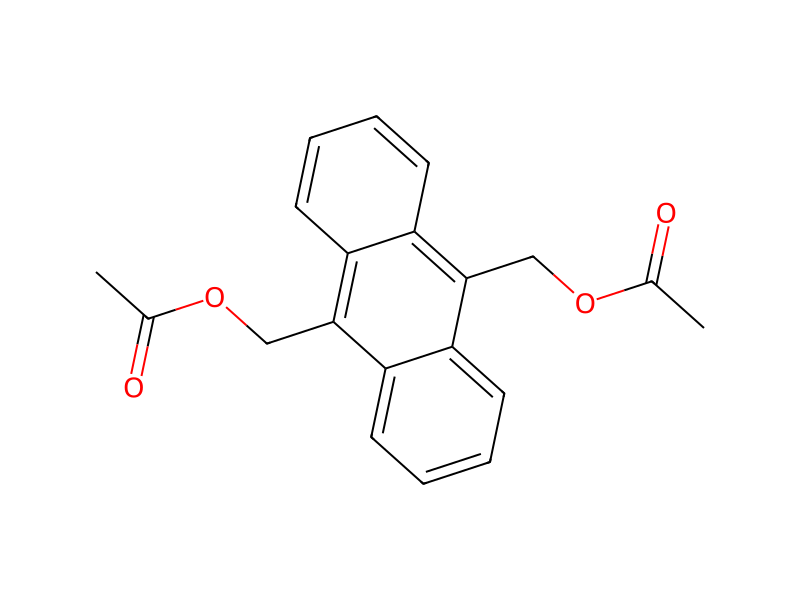
[CH:1]1[CH:6]=[C:5]([NH2:7])[C:4]2[C:8]([NH:10][NH:11][C:12](=[O:13])[C:3]=2[CH:2]=1)=[O:9].[Cl:14][CH2:15][C:16](Cl)=[O:17].N1C=CC=CC=1>CC(OCC1C2C(=CC=CC=2)C(COC(C)=O)=C2C=1C=CC=C2)=O>[Cl:14][CH2:15][C:16]([NH:7][C:5]1[CH:6]=[CH:1][CH:2]=[C:3]2[C:4]=1[C:8](=[O:9])[NH:10][NH:11][C:12]2=[O:13])=[O:17]Participants
Reactant 3



Product 1

Reagents, catalysts & solvents 1
Procedure
Luminol (1.55 g; 8.75 mmol) was reacted with 2-chloro-acetylchloride (1.24 g; 10.99 mmol), in the presence of pyridine (1.07 g, 13.6 mmol) in acetic:acid (45 ml). Contents were stirred and refluxed for 1 h, allowed to cool to RT, and transferred to a refrigerator for precipitation of the product to obtain 2-Chloro-N-(1,4-dioxo-1,2,3,4-tetrahydrophthalazine-5-yl)acetamide. Thereafter, acetic acid (20 ml) was added to the cold precipitates prior to filtration (for uniform transfer into the filtration unit). Finally, precipitates were filtered, washed with methylene chloride (three times) and dried under vacuum to yield 2-Chloro-N-(1,4-dioxo-1,2,3,4-tetrahydrophthalazine-5-yl)acetamide (1.6 g; 6324 mmol; 72.2%). 1H NMR (300 MHz, DMSO-d6) δ: 8.82-8.87 (t, 1H), 7.71-7.89 (dd, 1H), 7.61-7.69 (dd, 1H), 4.34 (s, 2H), 2.16 (s, 3H, Methyl for Acetic Acid); ESMS: Calcd for C10H8ClN3O3: 253.0, Found, 253.8.
Workup
- temperaturerefluxed for 1 h
- customtransferred to a refrigerator for precipitation of the product
Sources & evidence
- ORD record
- ord-1fe4a8b7ba31481dbb6c6ea70e14ba5d
- Source dataset
- uspto-grants-2014_02
- Patent number
- US08652442B2
Reaction notes
Loading…