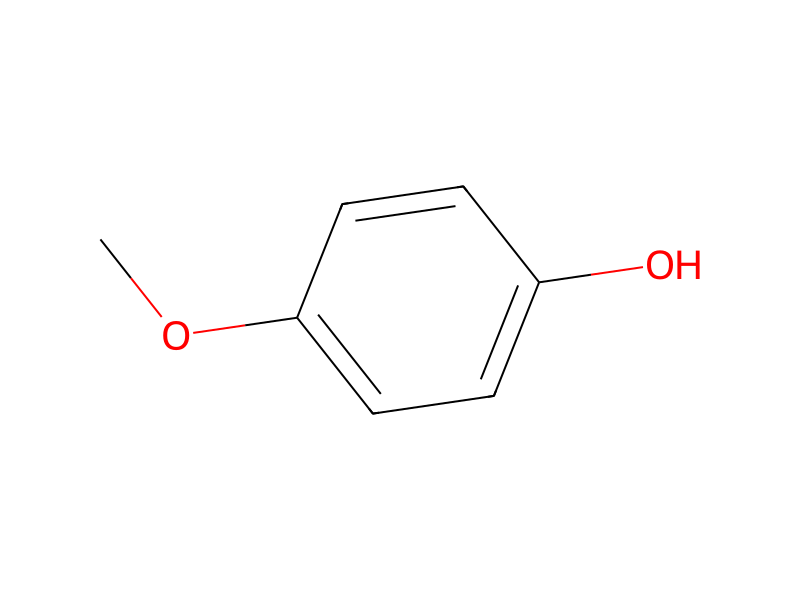
4-Methoxyphenol → Urethane acrylate
Reaction equation

C([N:10]=[C:11]=[O:12])CCCCCN=C=O.[CH:13]1C=C(CN=C=O)C=C(CN=C=O)[CH:14]=1.[C:27]([O-:40])(=[O:39])[CH2:28][CH2:29]CCCCCCCCC.C([Sn+2]CCCC)CCC.C([O-])(=[O:62])CCCCCCCCCCC.COC1C=CC(O)=CC=1>C1(C)C=CC=CC=1>[C:27]([OH:40])(=[O:39])[CH:28]=[CH2:29].[NH2:10][C:11]([O:12][CH2:13][CH3:14])=[O:62]Participants



Conditions
- Temperature
- 70 °C
Procedure
Into a flask similar to the flask in Synthesis Example 1 were charged 62.0 parts of toluene and 6.0 parts of a polyoxyethylene monostearate (“NONION S-2”, a trade name of NOF Corporation), followed by stirring of the mixture. After the confirmation of thorough dissolution of the polyoxyethylene monostearate, 50 parts of hexamethylene diisocyanate subjected to isocyanurate modification (TAKENATE D-170N) were charged and the mixture was heated to 70° C. After 30 minutes of the reaction at the same temperature, 0.02 parts of dibutyltin laurate were charged. After the mixture was maintained at the same temperature for 3 hours, 88.6 parts of polycaprolactone-modified hydroxyethyl acrylate (PLACCEL FA2D), 0.02 parts of dibutyltin laurate, and 0.02 parts of hydroquinone monomethyl ether were charged. The mixture was maintained at 70° C. for 3 hours to complete the reaction, and 82.6 parts of toluene were added to obtain a urethane acrylate containing 50% by weight of solid.
Workup
- customInto a flask similar to the flask in Synthesis Example 1
- additionwere charged
- additionwere charged
- temperatureAfter the mixture was maintained at the same temperature for 3 hours
- temperatureThe mixture was maintained at 70° C. for 3 hours
- additionwere added
Sources & evidence
- ORD record
- ord-a19183735910449ab79fd274a841ea51
- Source dataset
- uspto-grants-2004_11
- Patent number
- US06825243B2
Reaction notes
Loading…