4-Methoxyphenol → Urethane acrylate
Reaction equation

C([N:10]=[C:11]=[O:12])CCCCCN=C=O.[CH:13]1C=C(CN=C=O)C=C(CN=C=O)[CH:14]=1.[C:27]([O-:40])(=[O:39])[CH2:28][CH2:29]CCCCCCCCC.C([Sn+2]CCCC)CCC.C([O-])(=[O:62])CCCCCCCCCCC.COC1C=CC(O)=CC=1>C1(C)C=CC=CC=1>[C:27]([OH:40])(=[O:39])[CH:28]=[CH2:29].[NH2:10][C:11]([O:12][CH2:13][CH3:14])=[O:62]Participants
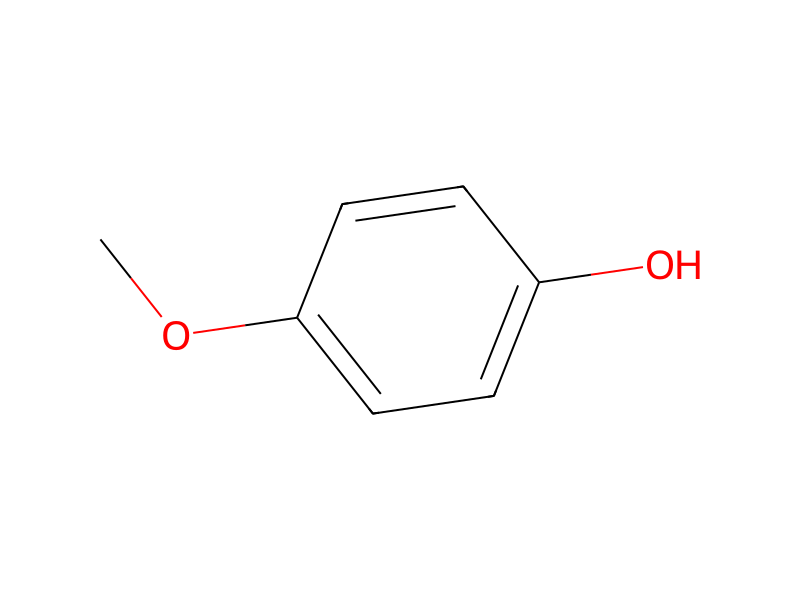



Conditions
- Temperature
- 40 °C
Procedure
Into a flask similar to the flask in Synthesis Example 1 were charged 62.6 parts of toluene and 7.3 parts of a polyoxyethylene cetyl ether (“NONION P-205”, a trade name of NOF Corporation), followed by heating of the mixture to 40° C. After the confirmation of thorough dissolution of the polyoxyethylene cetyl ether, 50 parts of hexamethylene diisocyanate subjected to isocyanurate modification (TAKENATE D-170N) were charged and the mixture was heated to 70° C. After 30 minutes of the reaction at the same temperature, 0.02 parts of dibutyltin laurate were charged. After the mixture was maintained at the same temperature for 3 hours, 88.8 parts of polycaprolactone-modified hydroxyethyl acrylate (PLACCEL FA2D), 0.02 parts of dibutyltin laurate, and 0.02 parts of hydroquinone monomethyl ether were charged. The mixture was maintained at 70° C. for 3 hours to complete the reaction, and 83.5 parts of toluene were added to obtain a urethane acrylate containing 50% by weight of solid.
Workup
- customInto a flask similar to the flask in Synthesis Example 1
- additionwere charged
- temperaturethe mixture was heated to 70° C
- additionwere charged
- temperatureAfter the mixture was maintained at the same temperature for 3 hours
- temperatureThe mixture was maintained at 70° C. for 3 hours
- additionwere added
Sources & evidence
- ORD record
- ord-3ed5c7f6615e4ef0870a0ec475ff2b18
- Source dataset
- uspto-grants-2004_11
- Patent number
- US06825243B2
Reaction notes
Loading…