Pyridine → Isobutyric acid 7-(2-chloro-4-methyl-thiazol-5-yl)-6-oxo-5,6-dihydro-pyrido[2,3-b]pyrazin-8-yl ester
Reaction equation

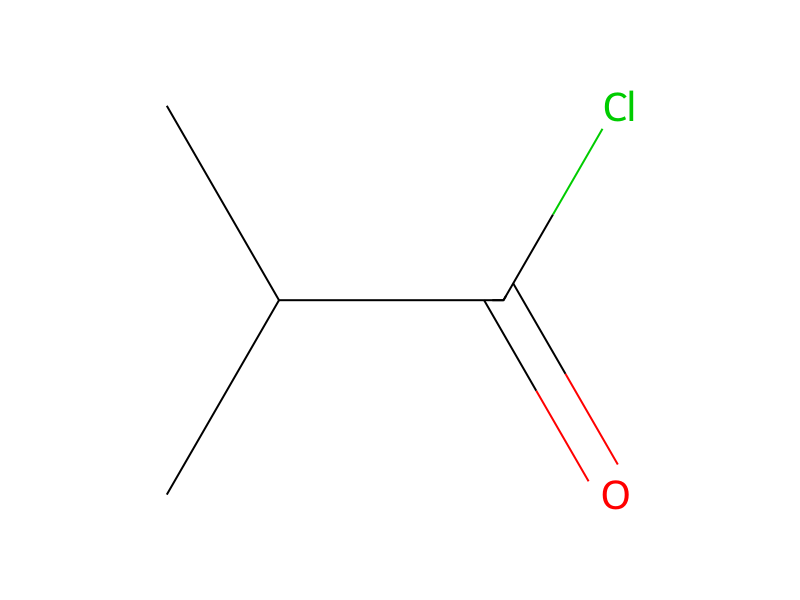
[Cl:1][C:2]1[S:3][C:4]([C:8]2[C:17](=[O:18])[NH:16][C:11]3=[N:12][CH:13]=[CH:14][N:15]=[C:10]3[C:9]=2[OH:19])=[C:5]([CH3:7])[N:6]=1.[C:20](Cl)(=[O:24])[CH:21]([CH3:23])[CH3:22].N1C=CC=CC=1>ClCCl>[Cl:1][C:2]1[S:3][C:4]([C:8]2[C:17](=[O:18])[NH:16][C:11]3=[N:12][CH:13]=[CH:14][N:15]=[C:10]3[C:9]=2[O:19][C:20](=[O:24])[CH:21]([CH3:23])[CH3:22])=[C:5]([CH3:7])[N:6]=1Participants
5




Procedure
7-(2-Chloro-4-methyl-thiazol-5-yl)-8-hydroxy-5H-pyrido[2,3-b]pyrazin-6-one (Example 2.3) (0.30 g), isobutyryl chloride (0.13 ml), and pyridine (0.10 ml) were stirred in dichloromethane (15 ml) at ambient temperature for 2 hours. The reaction mixture was washed successively with aqueous hydrochloric acid (1M), aqueous sodium hydrogen carbonate (saturated) and water. The organic fraction was dried over magnesium sulfate and concentrated to give Compound No. B9 of Table B (0.220 g).
Workup
- washThe reaction mixture was washed successively with aqueous hydrochloric acid (1M), aqueous sodium hydrogen carbonate (saturated) and water
- dry with materialThe organic fraction was dried over magnesium sulfate
- concentrationconcentrated
- customto give Compound No
Sources & evidence
- ORD record
- ord-624fed55f3664fbfa5d99749dc150a28
- Source dataset
- uspto-grants-2014_02
- Patent number
- US08653078B2
Reaction notes
Loading…