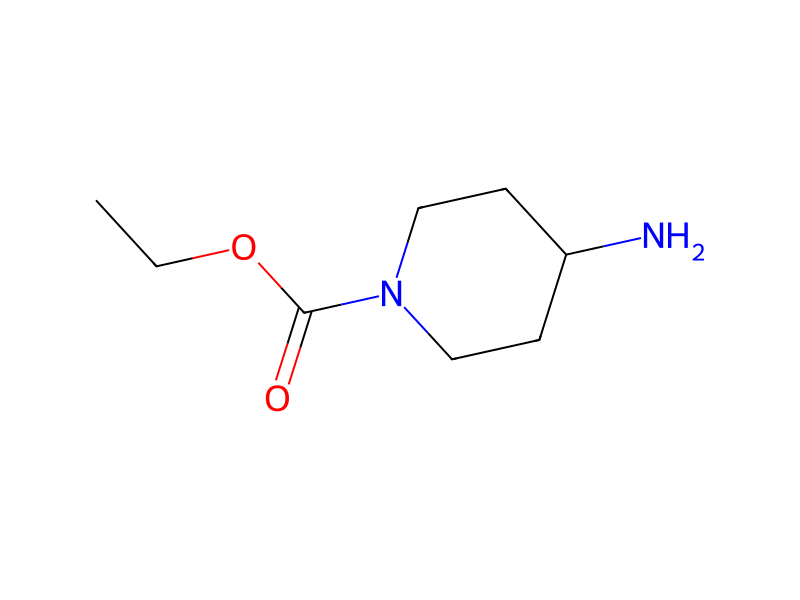
Potassium Iodide → Ethyl 4-((4-chloro-2-nitrophenyl)amino)piperidine-1-carboxylate
Reaction equation

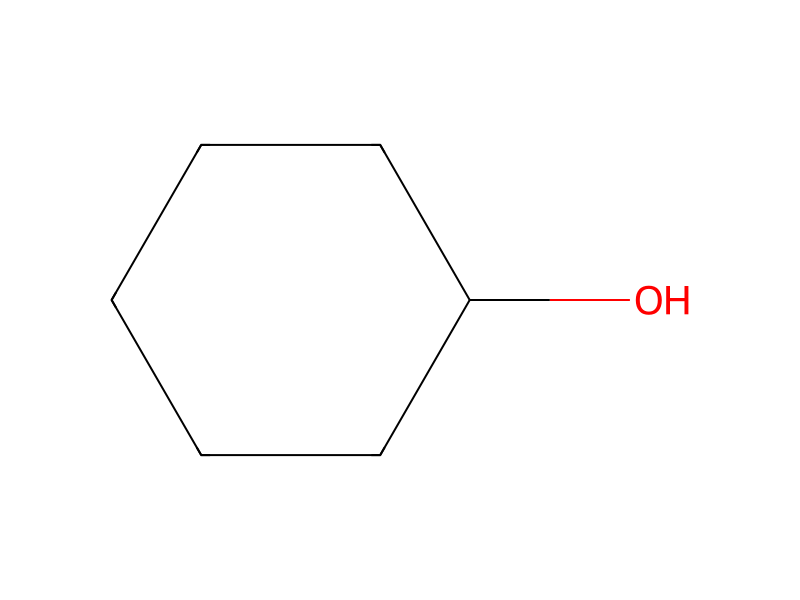
[NH2:1][CH:2]1[CH2:7][CH2:6][N:5]([C:8]([O:10][CH2:11][CH3:12])=[O:9])[CH2:4][CH2:3]1.Cl[C:14]1[CH:19]=[CH:18][C:17]([Cl:20])=[CH:16][C:15]=1[N+:21]([O-:23])=[O:22].C(=O)([O-])[O-].[Na+].[Na+].[I-].[K+].C1(O)CCCCC1>O.C1(C)C=CC=CC=1>[C:8]([N:5]1[CH2:4][CH2:3][CH:2]([NH:1][C:14]2[CH:19]=[CH:18][C:17]([Cl:20])=[CH:16][C:15]=2[N+:21]([O-:23])=[O:22])[CH2:7][CH2:6]1)([O:10][CH2:11][CH3:12])=[O:9]Participants
8
Reactant 5



Product 1

Reagents, catalysts & solvents 2


Conditions
- Temperature
- 150 °C
Procedure
A mixture of 0.25 mole of ethyl 4-amino-1-piperidinecarboxylate, 0.3 mole of 1,4-dichloro-2-nitrobenzene, 0.3 mole of sodium carbonate, 0.2 g of potassium iodide and 160 ml of cyclohexanol was stirred at 150° C. for 40 hours. After the mixture had been cooled, toluene and water were added and the organic layer was separated off, washed three times with water, dried and evaporated. The oily residue was dissolved in hot diisopropyl ether and the solution was stirred under reflux with active charcoal, filtered and left to crystallize. Melting point: 116° C.
Workup
- temperatureAfter the mixture had been cooled
- customthe organic layer was separated off
- washwashed three times with water
- customdried
- customevaporated
- dissolutionThe oily residue was dissolved in hot diisopropyl ether
- stirringthe solution was stirred
- temperatureunder reflux with active charcoal
- filtrationfiltered
- waitleft
- customto crystallize
Sources & evidence
- ORD record
- ord-d3365c33bd754018a197ca286e125ff6
- Source dataset
- uspto-grants-1984_09
- Patent number
- US04470989
Reaction notes
Loading…