Dihydrouracil → 1,3-Diacetyldihydropyrimidine-2,4(1H,3H)-dione
Reaction equation

[C:1]([O-:4])(=O)[CH3:2].[Na+].[NH:6]1[CH2:13][CH2:12][C:10](=[O:11])[NH:9][C:7]1=[O:8].[CH2:14]=[C:15]=[O:16]>C(OCC)(=O)C>[C:15]([N:6]1[CH2:13][CH2:12][C:10](=[O:11])[N:9]([C:1](=[O:4])[CH3:2])[C:7]1=[O:8])(=[O:16])[CH3:14]Participants
5
Reactant 3

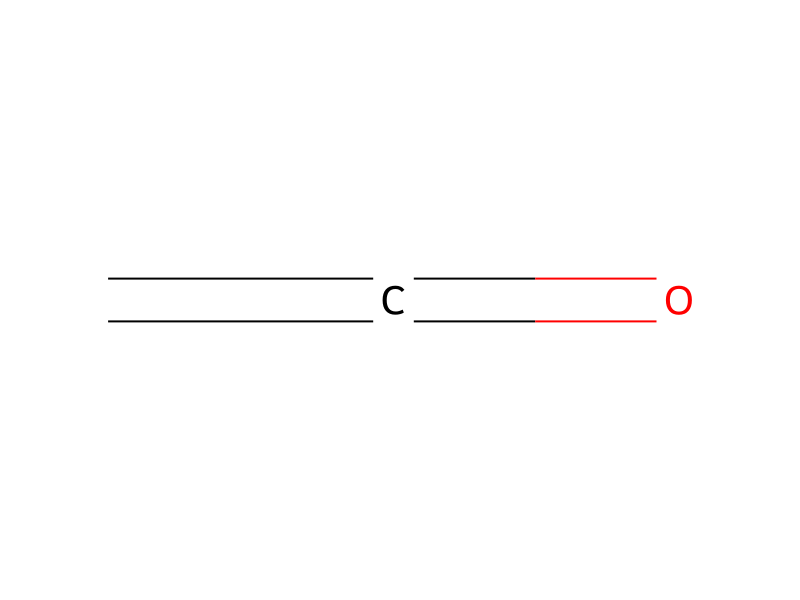

Product 1

Reagents, catalysts & solvents 1

Procedure
After adding 1.5 gm of finely pulverized sodium acetate suspended in 1 liter of ethyl acetate, 15 gm (0.13 mol) of 5,6-dihydrouracil were reacted with ketene at boiling temperature (77° C). After the reaction had been completed, the catalyst was filtered off and the solvent was distilled off under reduced pressure. The residue was recrystallized from isopropanol. The melting point was 81.5° C to 83° C, and the elementary analysis resulted in the following values:
Workup
- filtrationthe catalyst was filtered off
- distillationthe solvent was distilled off under reduced pressure
- customThe residue was recrystallized from isopropanol
- customThe melting point was 81.5° C to 83° C, and the elementary analysis resulted in the following values
Sources & evidence
- ORD record
- ord-437491beecc04c0abe71ae455a22fc55
- Source dataset
- uspto-grants-1978_08
- Patent number
- US04110242
Reaction notes
Loading…